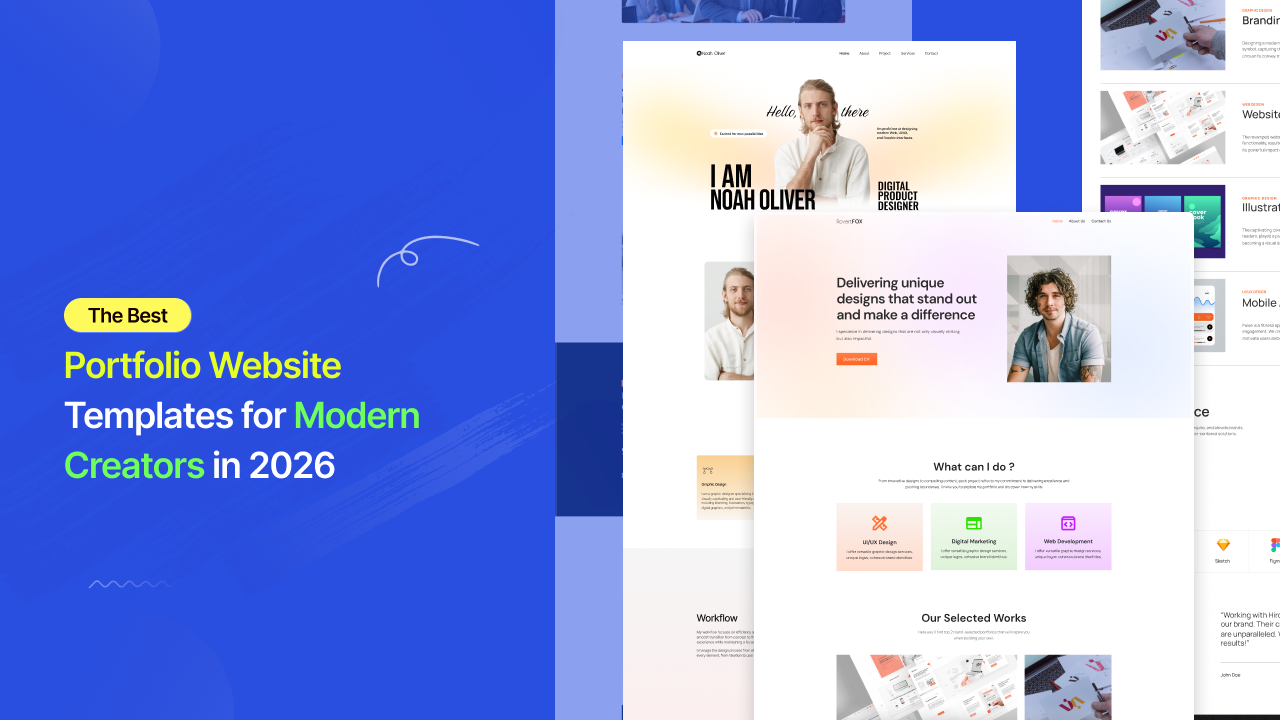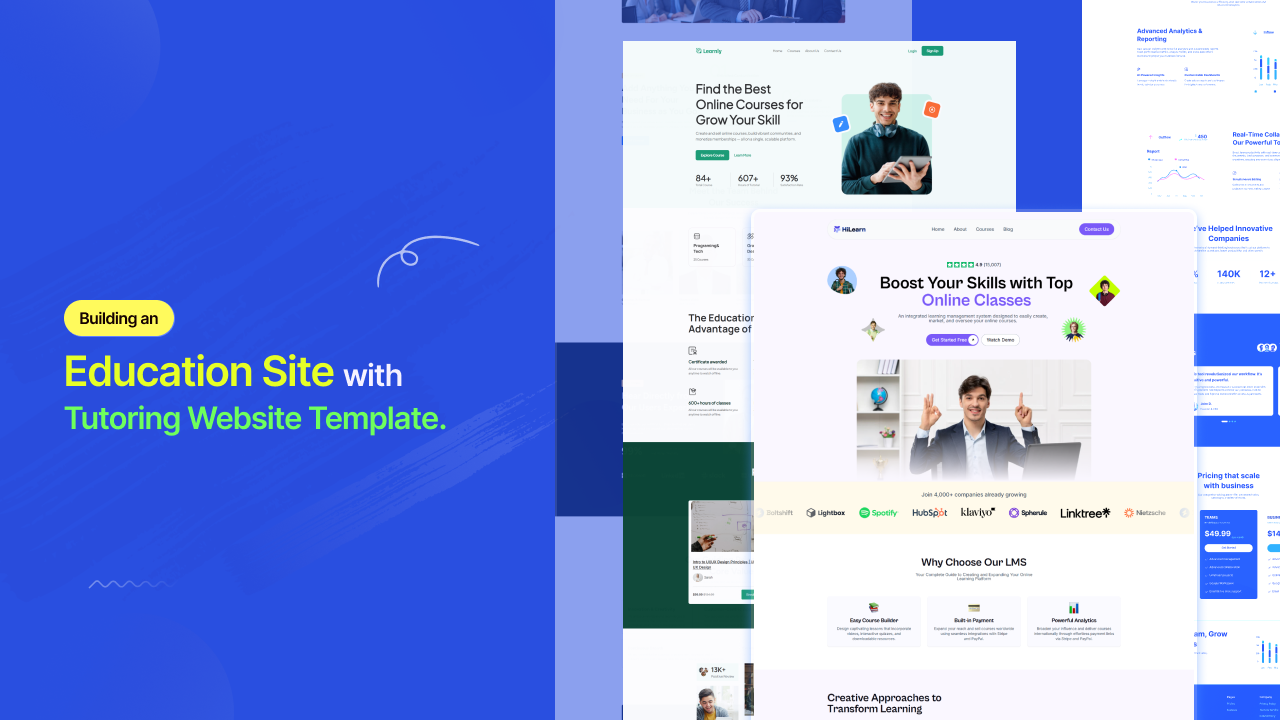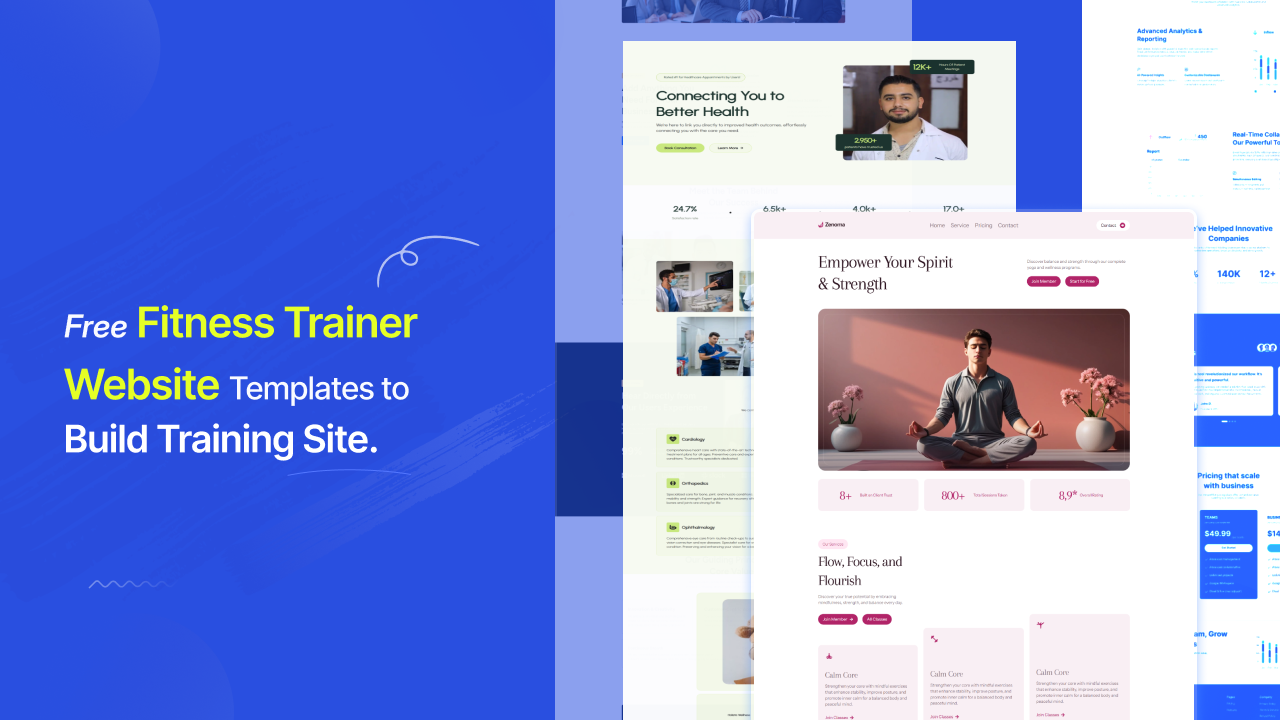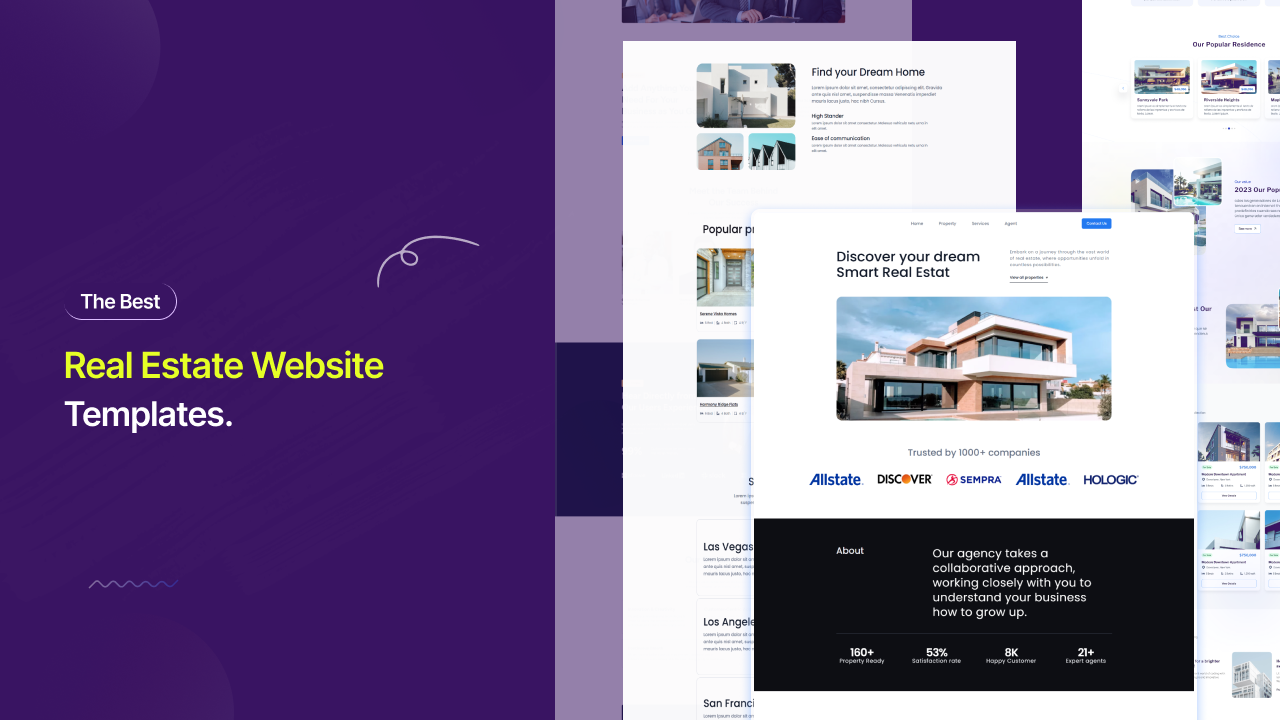


Category: Template

  • Best Free Portfolio Website Templates to Get Hired Fast

    Best Free Portfolio Website Templates to Get Hired Fast

    Most hiring managers spend less than 45 seconds on a portfolio before deciding whether to keep reading or move on, according to industry research compiled by SattiveDev Labs. Clients do the same. In those 45 seconds, they are not reading your bio or studying your process. They are forming a feeling — professional or amateur, confident or uncertain, worth the rate or not.

    That feeling is shaped almost entirely by your template.

    Here is the number that should drive the decision: freelancers with their own portfolio websites earn 35% more than those relying solely on platforms like Upwork or Fiverr, according to Colorlib’s 2026 freelance statistics. The U.S. alone has 72.9 million freelancers — close to 38% of the entire workforce, and 79% of hiring managers plan to rely more on freelance talent in the coming years, according to SQ Magazine’s 2026 freelance economy analysis.

    The market is growing. The competition for attention is growing faster. And the difference between a freelancer who wins clients and one who watches their pitch get ignored is often not the quality of the work. It is the template presenting it.

    Portfolio Website Templates

    What Is a Portfolio Website Template?

    A portfolio website template is a professionally designed, pre-structured website layout built for creatives, freelancers, and professionals who need to showcase their work online. It gives you the page architecture and visual framework — so you skip the blank-canvas problem and go straight to making it yours.

    The distinction from a generic business template matters. Portfolio templates are built around work display, not service description. Every layout decision — gallery grid density, whitespace distribution, typography scale, case study flow — exists to make your work the undeniable focal point of every page.

    According to Colorlib’s analysis of thousands of portfolio websites, an effective portfolio needs five core elements:

    A filterable project gallery that lets visitors sort work by category with smooth animations on rearrange. An about section that tells your professional story with enough personality to create real connection. A clear list of services or skills that converts interest into inquiry. Social proof through client testimonials or brand logos. An easy-to-find contact form that never makes the visitor hunt.

    Optional but high-converting additions include case study pages that walk clients through your problem, process, and result — and a blog that builds topical authority over time. Show your 8 to 12 strongest pieces, not everything you have ever done. Quality over quantity is not a creative preference — it is a conversion strategy.

    Why Your Portfolio Template Is a Business Decision in 2026

    Most creatives treat their portfolio as a digital brochure. The ones winning clients treat it as a 24/7 sales tool.

    48% of CEOs are planning to boost freelance hiring in the coming year, according to Upwork’s Future Work Index. Over 99% of major employers plan to continue or increase their use of freelancers throughout 2026, per DemandSage’s 2026 analysis. 75% of workers in the art and design profession in the U.S. are freelancers, which means the competition for client attention in creative fields is structural, not temporary.

    Your template determines whether a potential client who discovers your work stays long enough to become curious, or bounces in three seconds because the gallery was slow, the navigation was unclear, or the design communicated doubt instead of confidence. A great template does not just display work; it converts interest into inquiry.

    Template Determines

    Types of Portfolio Website Template

    Photography Website Templates

    Photography templates are the most image-forward category in portfolio design. The entire layout is built around one principle: images must fill the viewport without compression, distortion, or slow loading.

    The best photography website templates use masonry grid galleries, lightbox viewing, and category filtering — portrait, editorial, commercial, landscape, events — so visitors navigate by the type of work they need. A single arresting hero shot above the fold converts better than a rotating carousel of five images. One image, chosen well, stops the scroll. Five images split the attention.

    Critical details that separate strong photography templates from weak ones: lazy loading for performance, watermarking support for unpurchased work displayed publicly, and a pricing section for photographers selling sessions directly through the site. Some templates include both portfolio album pages and individual category galleries — a structure that works well for photographers whose work spans multiple specialties. Always test the demo on mobile before desktop. A gallery that breaks or crops on a phone screen is not worth building on.

    Wedding Photographer Website Templates

    Wedding photography is a category within photography that deserves entirely separate consideration — because its buyer psychology is fundamentally different.

    A couple choosing their wedding photographer is not making a rational evaluation. They are making an emotional one. They want to feel that this specific person understands how to capture the version of their day that exists in their imagination. Your website needs to create that feeling before a pricing page is ever seen.

    The most effective wedding photographer website templates lead with romantic, cinematic imagery above the fold — ideally a full-screen photograph from an actual wedding, not a stock image. They include a section that speaks directly to the couple’s experience of working together, not just a package list. Testimonials from past couples carry enormous trust-building weight and should appear before any pricing information, not after it.

    Templates designed for wedding photographers include testimonial sliders, portfolio carousels, newsletter subscription forms, and predefined internal pages for Work, About, and Booking, according to Colorlib’s 2026 wedding photography template roundup. The practical infrastructure matters too: a consultation booking form with a wedding date field, a client gallery password system for private delivery, and a separate page structure for albums and engagement shoots.

    Artist Website Templates

    Artist website templates share visual DNA with photography templates — large imagery, gallery-first layouts, generous whitespace — but the underlying content structure is different in one critical way.

    Artists need to tell the story of a body of work, not just display individual pieces. A fine art portfolio is not a product catalog. It is a curated narrative. The best art website templates are built around this distinction with a collections or series architecture, a statement or process section where the artist’s voice and context come through, an exhibitions and press section for institutional credibility, and a shop integration for originals, prints, or commissions.

    The color palette and typography in an artist template need to disappear into the work. A loud, opinionated design competes with the art. Think of the template as the gallery wall — present but invisible, existing only to frame what is on it. Squarespace’s Cami template is recommended by Squarespace’s own editorial team for fine artists specifically because its large photos and strategic whitespace let the breadth of a multidisciplinary practice breathe without visual competition from the interface itself.

    Web Developer Portfolio Templates

    Developers have a specific relationship with their portfolio template: the site itself is part of the portfolio. A developer using a slow, bloated, or poorly structured template sends an implicit signal about their technical standards that no headline can fix.

    For developers, the most relevant format is a portfolio template with source code — downloadable HTML, CSS, and JavaScript files or React component templates hosted on GitHub — which allow full customization and self-hosting on GitHub Pages, Vercel, or Netlify at essentially zero cost.

    Key sections that convert for a developer portfolio: a projects grid with live demo links and repository links visible on hover, a skills matrix with technology icons organized by category, a timeline-style work history, and a contact section with a stated response time. Clean, fast, self-hosted — that is the signal a developer portfolio needs to send before a single line of their code is read.

    Personal Portfolio Templates

    Built for professionals who span roles — consultants, marketers, writers, UX researchers, strategists. Personal portfolio templates prioritize personal branding over project display. The hero leads with the person, not the work. A strong positioning headline — “UX Designer helping fintech startups simplify complexity” — sets the frame before any scrolling happens.

    Navigation here is simpler: About, Work, Resume, Contact. Case study layouts that walk through problem, process, and result are essential for fields where the thinking matters as much as the deliverable.

    Personal Portfolio Templates

    Portfolio Website Templates: Platform Comparison

    Platform

    Best For

    No-Code

    Truly Free Option

    Customization Depth

    Ongoing Cost

    WordPress + aBlocks

    All creative types

    Yes

    Yes — template-kits.com

    Full block-level

    Hosting only

    WordPress + Elementor

    Designers, agencies

    Yes

    Limited

    Deep

    Hosting + plugin fee

    Squarespace

    Photographers, artists

    Yes

    No

    Moderate

    $16–$49/month

    Wix

    Generalists, beginners

    Yes

    Limited

    Moderate

    $17–$35/month

    Webflow

    Design-forward creatives

    Partial

    Limited

    High

    $14–$39/month

    Framer

    Modern creatives

    Partial

    Limited

    High

    $10–$30/month

    GitHub Pages (HTML/React)

    Developers

    No

    Yes

    Full code control

    $0

    The clearest insight from this comparison: WordPress remains the only platform that delivers professional template quality, full no-code customization, complete site ownership, and zero monthly platform fee — especially when paired with aBlocks and a free template library like template-kits.com.

    Free vs. Paid Portfolio Website Templates: The Honest Version

    Most people pick a free template and discover within twenty minutes that the best sections are locked behind a paid upgrade. According to Gola Supply’s analysis of free portfolio templates, a truly free portfolio template gives you full page exports or one-click imports with no locked sections, includes every page type shown in the demo, does not require a paid platform account to publish, and does not watermark your live site.

    Feature

    Generic Free

    Premium Paid

    Free Premium (aBlocks)

    Portfolio-specific gallery layouts

    Rarely

    Yes

    Yes

    Filterable project grid

    No

    Usually

    Yes

    Case study page template included

    No

    Sometimes

    Yes

    Mobile-first design

    Inconsistent

    Yes

    Yes

    No-code full customization

    Rarely

    Yes

    Yes

    Source code download

    Sometimes

    Rarely

    No (WordPress-based)

    Regular design updates

    No

    Sometimes

    Yes

    Cost

    $0

    $30–$300+

    $0

    The Best Free Portfolio Website Templates in 2026: Template-Kits.com

    If you have been sorting through Squarespace plan tiers, Webflow upgrade prompts, and Wix watermarks looking for a portfolio template that actually works for free — template kits is where that search ends.

    It is a curated library of free, professionally designed website templates built on aBlocks — a WordPress Gutenberg-based block builder. Every template is crafted by professional designers and available at zero cost — no trial period, no feature lock, no upgrade prompt after import.

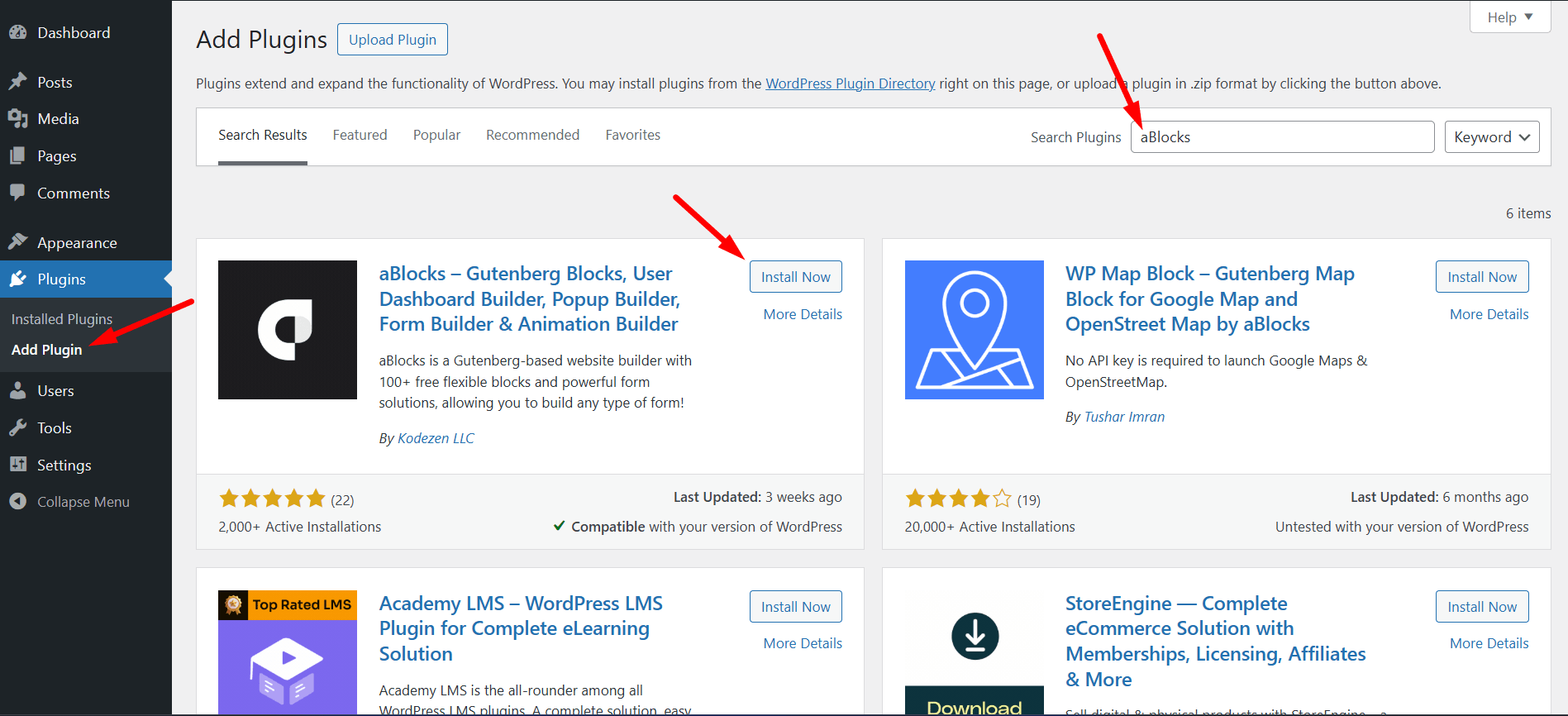
    The workflow is fast. You browse template-kits.com, install the free aBlocks plugin, import your chosen portfolio layout in one click, then customize every block — gallery grid, hero section, about copy, contact form — without writing code. For photographers, replace the placeholder images with your strongest work. For developers, swap the project cards with your own. For artists, adjust the collection structure to match your series architecture.

    One real user described it: “aBlocks has completely changed how I see Gutenberg. The customization options are incredibly intuitive, and everything feels polished and professional. It’s like Gutenberg finally found its missing piece.” (Source: template-kits.com)

    aBlocks works with any WordPress theme, supports WooCommerce for selling prints or digital products directly, and is built on clean code that gives your portfolio a genuine advantage in local and niche Google search results.

    Portfolio Website Templates on Template-Kits

    How to Choose the Right Portfolio Website Template

    Define your primary visitor action first. Do you want visitors to email you, book a discovery call, buy a print, or download your resume? That single answer determines which template structure and CTA pattern serves you best.

    Match the template tone to your work’s energy. A dark, editorial template suits moody, cinematic photography or fine art. A light, minimal template lets colorful, vibrant work dominate the screen. The template should disappear into your work — not compete with it.

    Test mobile before desktop. Open every template demo on your phone. Navigate to the contact form. Check how the gallery renders on a small screen. 70% of users start on mobile — a template that breaks on small screens is not worth customizing on desktop.

    Check for case study support. If your field rewards process explanation — UX design, branding, architecture, strategy — make sure the template includes a project detail or case study page type, not just gallery thumbnails.

    Evaluate load performance honestly. Animations and large hero carousels that look impressive in a demo often slow the live site significantly. Favor templates built on clean, lightweight code with lazy image loading built in. This matters for both visitor experience and Google rankings.

    The Portfolio Your Work Has Always Deserved

    Your work is the proof. Your portfolio template is the frame. And in 2026, the quality of that frame determines whether a client pauses long enough to see what is inside.

    The right template loads fast, presents your strongest work clearly, guides every visitor toward a specific action, and gives you full flexibility to evolve it as your career grows. It does not need to cost $300. It does not need a developer. It does not need a monthly subscription fee.

    template-kits.com is where creatives, photographers, artists, and developers go when they want that template for free — professionally designed, built on aBlocks for WordPress, fully customizable without code, and available with one-click import.

    Browse the free portfolio website template library at template-kits.com and build the online presence your work has earned.

    Frequently Asked Questions

    Are there free portfolio website templates I can download?

    Yes. template-kits.com offers a full library of professionally designed, completely free portfolio templates powered by the aBlocks WordPress builder — no locked features, no watermarks, no upgrade prompts. For developers who prefer working in code, HTML5UP and Colorlib offer free HTML portfolio templates with source files included.

    Are there portfolio website templates for WordPress and Elementor?

    WordPress has the broadest portfolio template ecosystem of any platform. Elementor-compatible portfolio themes are available through ThemeForest, Colorlib, and the WordPress theme repository. For a Gutenberg-native alternative with equivalent design flexibility and no extra plugin cost, aBlocks templates via template-kits.com are the strongest free option.

    Can I get a portfolio website template with source code?

    Yes. HTML, CSS, and JavaScript portfolio templates with full source code are available on GitHub, HTML5UP, and Colorlib. React portfolio templates are available through GitHub repositories and developer communities. These are best for developers who want complete code ownership and free static hosting via GitHub Pages, Vercel, or Netlify.

    What is the best photography website template in 2026?

    Look for a photography template with a masonry or full-bleed gallery layout, lightbox viewing, category filtering, mobile-first image rendering, and genuine lazy loading for fast performance. Templates at template-kits.com are fully customizable for photography portfolios via aBlocks. For Squarespace-specific options, Beaumont and Cami are widely recommended for gallery performance and restrained design language.

    What makes a wedding photographer website template different from a standard photography template?

    Wedding photographer templates are built for emotional conversion before rational evaluation. They lead with romantic imagery and couple testimonials before introducing pricing. They include a consultation booking form with a wedding date field, a client gallery password system, and a warm editorial visual tone — rather than the commercial portfolio-grid structure used by product or commercial photographers.

    Are artist website templates different from photography templates?

    Yes, structurally. Artist templates are built around collections and series architecture — designed to present a body of work as a curated narrative, not a product catalog. They typically include a statement or process section, an exhibitions and press section for institutional credibility, and a shop integration for originals or prints. Photography templates prioritize individual image display, category browsing, and session booking. Both need mobile-first layouts and fast loading, but their navigation hierarchy and content purpose differ significantly.

    What is the best personal portfolio website template?

    The best personal portfolio template depends on your positioning and desired visitor action. Look for a layout that leads with a strong personal headline above the fold, has a clear contact or booking path, and includes a project or case study section that shows the thinking behind your work — not just the deliverable. template-kits.com offers personal and creative portfolio templates with full no-code customization through aBlocks.

  • The Best Portfolio Website Templates for Modern Creators in 2026

    The Best Portfolio Website Templates for Modern Creators in 2026

    A portfolio website used to be simple.

    You uploaded a few projects, added a short bio, linked your contact page, and hoped potential clients would understand your value from the work itself.

    That approach no longer works.

    In 2026, the internet moves too fast for unclear presentation. Clients scan before they read. Recruiters judge before they click. Creative agencies compare portfolios within seconds. And before someone decides whether your work deserves attention, they’ve already formed an opinion based entirely on your website experience.

    That’s why modern Portfolio Website Templates have become far more important than most creators realize.

    Not because templates save time.

    Because they shape perception.

    A clean portfolio instantly makes work feel more premium. A structured layout increases trust before a single project is opened. A smooth mobile experience creates professionalism without saying a word.

    And in creative industries, perception often influences opportunity long before skill gets evaluated properly.

    Why Most Portfolio Websites Still Feel Outdated

    Feel Outdated

    Many portfolio websites still look like digital archives instead of modern presentation systems.

    Projects feel disconnected. Layouts feel crowded. Typography lacks hierarchy. Mobile responsiveness breaks. Navigation becomes confusing. The visitor has to work too hard to understand what the creator actually does.

    That friction quietly kills opportunity.

    The problem is not always the work itself.

    The problem is presentation.

    Modern audiences are visually trained now. They interact daily with polished SaaS products, premium startups, modern creator brands, and beautifully structured digital experiences. That means expectations have changed dramatically.

    A portfolio website is no longer judged only against other portfolios.

    It is judged against the modern internet itself.

    And that changes everything.

    Why Portfolio Website Templates Matter More in 2026

    Creative competition

    Creative competition online has exploded.

    Designers, developers, photographers, video editors, marketers, artists, writers, creators, and agencies are all competing for attention across the same platforms.

    At the same time, attention spans continue shrinking.

    This creates a new reality where clarity matters more than complexity.

    The strongest Portfolio Website Templates understand this shift perfectly. They are designed around focus, readability, structure, spacing, and flow instead of unnecessary visual clutter.

    The visitor lands on the homepage and immediately understands:

    who you are,
    what you create,
    and why your work matters.

    That level of clarity is difficult to achieve manually without strong design experience.

    Modern template systems solve this problem by already understanding visual hierarchy and user behavior before customization even begins.

    Why Templates No Longer Feel Generic

    Generic

    There was a time when templates felt repetitive and low quality.

    That perception is outdated.

    Modern Portfolio Website Templates are built more like complete creative systems than static page designs. They account for typography rhythm, project spacing, responsiveness, section flow, animation balance, and conversion psychology.

    This matters because creative work is emotional.

    Clients rarely evaluate portfolios purely logically. They respond emotionally first. The presentation affects how valuable the work feels before they consciously analyze anything.

    A minimalist portfolio with clean structure and intentional spacing immediately creates confidence.

    The exact same projects placed inside a cluttered website can feel dramatically less professional.

    That difference is not accidental.

    Modern portfolio templates are designed around perception psychology as much as aesthetics.

    Why Template-Kits.com Feels Different From Traditional Template Platforms

    Template-Kits.com

    Among modern WordPress template platforms,Template-Kits.com takes a noticeably more structured approach.

    Instead of overwhelming users with thousands of inconsistent layouts, the platform focuses on curated template kits powered by aBlocks.

    The experience feels closer to a premium SaaS design ecosystem than a traditional WordPress marketplace.

    This matters for creators because most freelancers and agencies don’t want to spend weeks building websites from scratch. They want a portfolio that already feels modern while still allowing complete creative control.

    That’s exactly where aBlocks becomes important.

    The system allows users to import complete website structures in one click and customize everything visually through Gutenberg without touching code.

    For creators trying to build professional online presence quickly, this dramatically reduces the gap between creating work and presenting it professionally online.

    The Shift Toward Conversion-Focused Portfolio Websites

    Conversion-Focused

    Older portfolio websites were built mainly to showcase projects.

    Modern portfolio websites are built to create opportunities.

    That difference changes the entire structure.

    A modern homepage doesn’t overload visitors with information. Instead, it creates direction. Typography feels intentional. Projects are easy to browse. Case studies feel structured. Contact actions appear naturally throughout the experience.

    Even subtle design choices matter more now.

    Whitespace affects perceived professionalism. Layout rhythm affects readability. Typography affects trust. Mobile responsiveness affects credibility.

    The best Portfolio Website Templates already understand these patterns.

    That’s why professionally structured template systems consistently outperform randomly designed portfolio sites built without strategic flow.

    What Makes a Great Portfolio Website Template in 2026

    Great Portfolio

    The best portfolio websites all create momentum.

    The visitor lands on the homepage and naturally moves through the experience without confusion.

    The hero section establishes identity first. Featured work appears before attention drops. Testimonials or client logos reinforce credibility. About sections add personality without overwhelming the layout. Contact buttons remain visible without feeling aggressive.

    Nothing feels accidental.

    Everything exists to guide attention naturally.

    This is one reason platforms like Template-Kits.com feel more modern than older WordPress ecosystems. Instead of prioritizing builder complexity, they focus on visual consistency, fast setup, and cleaner structure powered by aBlocks.

    That approach aligns far better with how modern creators actually build brands online today.

    Why Mobile Experience Matters More Than Ever

    Experience Matters

    A huge percentage of portfolio traffic now comes from mobile devices.

    Clients open links from Instagram bios. Recruiters browse portfolios from LinkedIn. Agencies review work while multitasking on smartphones.

    And yet many portfolio websites still break completely on smaller screens.

    Text becomes unreadable. Projects feel cramped. Images crop incorrectly. Navigation becomes frustrating.

    A visitor rarely explains why they leave.

    They simply lose confidence and move on.

    Modern Portfolio Website Templates are now designed mobile-first because presentation quality directly affects credibility across every device.

    The best templates maintain spacing, readability, image quality, and visual hierarchy without sacrificing performance.

    That balance is difficult to build manually from scratch. Structured systems like aBlocks-powered template kits already solve much of that complexity automatically.

    Why Simplicity Is Becoming the Biggest Competitive Advantage

    Competitive Advantage

    Creative industries once rewarded complexity.

    Modern digital experiences reward clarity.

    The strongest portfolio websites in 2026 feel effortless. Clean navigation. Strong typography. Minimal distractions. Fast loading. Smooth browsing experience.

    Visitors should never struggle to understand your value.

    This is one reason lightweight Gutenberg-based systems are becoming more attractive than heavier page builders. Platforms like Template-Kits.com focus heavily on cleaner design systems, faster performance, and flexible visual structure through aBlocks.

    And in industries where presentation shapes opportunity, that difference matters significantly.

    Why More Creators Are Using Portfolio Website Templates Instead of Building From Scratch

    custom-building

    For many freelancers and creators, custom-building portfolio websites no longer makes practical sense.

    Not because custom design is bad, but because modern Portfolio Website Templates have dramatically closed the quality gap.

    A professionally designed portfolio template now delivers:

    Feature

    Modern Portfolio Templates

    Modern UI Structure

    Mobile Responsive Layout

    Faster Launch Speed

    Professional Visual Hierarchy

    Easy Customization

    SEO-Friendly Structure

    Gutenberg Compatibility

    without requiring weeks of manual development work.

    This is why modern creators increasingly prefer structured template systems over traditional portfolio builds.

    The goal is no longer to design everything manually.

    The goal is to present your work professionally as fast as possible.

    Final Thoughts

    A portfolio website is no longer just a place to upload projects.

    It is your presentation system, your first impression, and often your most important digital asset.

    Before clients contact you, they evaluate your presentation. Before recruiters read your experience, they judge your visual quality. Before opportunities happen, perception happens first. And that decision happens fast. Modern Portfolio Website Templates are built for that exact reality.Platforms like Template-Kits.com are helping modern creators launch clean, professional, conversion-focused portfolio websites faster through structured aBlocks-powered systems designed for clarity, performance, and modern digital presentation.

    Frequently Asked Questions

    Do I need coding knowledge to use Portfolio Website Templates?

    No. Modern Portfolio Website Templates are designed for beginners and professionals alike. Platforms like aBlocks and Template-Kits.com allow users to customize layouts, images, typography, project sections, and branding visually without coding knowledge.

    Can I customize the portfolio template for my own brand?

    Yes. You can personalize typography, colors, layouts, animations, galleries, logos, and project structures to match your personal or agency identity.

    Are Portfolio Website Templates mobile responsive?

    Yes. Most modern portfolio templates are fully optimized for mobile, tablet, and desktop devices to ensure projects look professional everywhere.

    Can portfolio templates work for agencies and freelancers?

    Absolutely. Portfolio templates are widely used by freelancers, creative agencies, developers, photographers, marketers, UI/UX designers, writers, and digital studios.

    Why are lightweight portfolio websites becoming more popular?

    Lightweight websites improve loading speed, SEO performance, readability, and user experience. Modern Gutenberg-based systems like aBlocks focus on cleaner structure and faster performance compared to heavier builder ecosystems.

  • Building an Education Site With Tutoring Website Template

    Building an Education Site With Tutoring Website Template

    Picture this. A parent is on their phone at 9pm, stressed about their child’s next math test. They search “math tutor near me.” Three tabs open. Yours is one of them.

    In thirty seconds, they have already decided which tutor feels trustworthy, which site felt confusing, and which one they are going to email tomorrow morning.

    If your website is not designed to win that thirty-second window — clean, credible, and easy to navigate — you are not in the running. The parent closes the tab, and you never know they were there.

    The private tutoring market is now worth $142.98 billion globally in 2026, growing at a 9.1% CAGR toward $208.94 billion by 2030. Online tutoring alone is expanding at 14.5% annually, projected to reach $23.73 billion by 2030. Over 75% of U.S. parents have enrolled their children in tutoring at some point, and 65% of students now prefer online options for their convenience and flexibility.

    The opportunity is real. The competition is intense. And your website is either your strongest enrollment tool or your biggest bottleneck.

    A purpose-built tutoring website template solves that problem before you write a single word of copy.

    built tutoring website

    What Is a Tutoring Website Template?

    A tutoring website template is a professionally designed, pre-structured website layout built specifically for tutors, tutoring centers, online learning businesses, daycare providers, and childcare services. It gives you the page architecture, section flow, and visual framework that education-focused websites need — without requiring you to design anything from scratch.

    The distinction matters. A generic website template treats every business the same. A tutoring template understands that your visitors are emotionally driven decision-makers — usually parents — who are evaluating your credibility, your warmth, and your process simultaneously. Every layout choice in a great tutoring template serves that specific evaluation.

    What a quality tutoring website template delivers from the moment it is imported includes a homepage hero built for trust, subject and service pages with clear program breakdowns, a tutor profile section with credentials and personal bios, a results or testimonials block positioned early on the page, a session booking or inquiry form, and an FAQ section that reduces hesitation before the first message is sent.

    What Every SERP-Leading Tutoring Website Gets Right

    After analyzing the top-ranking tutoring websites and educational platform designs in 2026, the same design principles show up across every high-performing example. These are not accidents. They are the architecture of a site that consistently converts visitors into enrolled students.

    Results-First Messaging Above the Fold

    The best-performing tutoring websites lead with proof, not personality. A site that displays a bold “+123 average SAT score increase” stat front and center does more trust-building in three seconds than paragraphs of marketing copy. Your template should make this kind of result-driven messaging the centerpiece of your hero section — not a sidebar or footer element.

    A Step-by-Step Process Explanation

    Explaining your tutoring process step by step builds clarity and directly reduces hesitation. Parents do not just want to know that you are good. They want to understand what happens between the inquiry and the first grade improvement. Templates with a built-in “How It Works” section remove that uncertainty and dramatically improve inquiry rates.

    Tutor Profiles That Build Personal Connection

    When parents are trusting someone with their child’s academic future, anonymity is the enemy.Detailed staff profiles that give each tutor a face and a backstory matter enormously in this market. Your template should include a tutor profile section with space for photos, credentials, subject specialties, and a short personal note — not just a name and a qualification list.

    Subject and Program Pages Organized by Outcome

    Visitors should be able to find the math tutoring page, the SAT prep page, or the online English program in under three seconds from the homepage. Templates that organize service pages by subject, age group, or exam type create a frictionless path that matches how parents and students actually think when they search for help.

    Social Proof Placed Near Decision Points

    Testimonials do not belong at the bottom of the page. The tutoring websites that convert best embed client reviews and student outcome statements immediately after the hero section and adjacent to every CTA. Your template should make this placement the default, not something you have to engineer manually.

    [IMAGE PROMPT: Annotated wireframe of a high-converting tutoring website homepage showing labeled sections: hero with results stat, step-by-step process block, subject/program cards, tutor profile row, testimonials above the fold, and sticky booking CTA]

    Types of Tutoring Website Templates: Choosing the Right Fit

    Academic Tutoring Templates

    Built for subject-specific tutors and multi-subject tutoring centers. These templates use structured, organized layouts that communicate scholastic seriousness. Navy, white, and warm gold color palettes are common, conveying academic prestige without feeling cold. Look for templates with dedicated subject pages, a grade-level navigation structure, and a clean online booking integration.

    Online Tutoring Website Templates

    Designed for fully digital operations.On-demand tutoring now captures over 76% of total online tutoring revenue globally, and online-first templates reflect this with virtual session previews, platform integration sections, asynchronous course product pages, and subscription or package pricing displays. These layouts communicate accessibility and flexibility — the two reasons 70% of students choose online tutoring over in-person.

    Language Tutor Website Templates

    A category most competitors overlook entirely. Language tutoring is one of the fastest-growing segments within online education, driven by globalization and career multilingualism demand. A language tutor website template needs to communicate cultural fluency as much as academic rigor. The best layouts include:

    A language-specific hero with the tutor’s native and taught languages displayed visibly. A session format section explaining conversational practice versus structured grammar instruction. A nationality/background section that builds trust with international students. Testimonials from students of specific language backgrounds. A scheduling section compatible with international time zones.

    The language courses segment within online tutoring is expected to show significant growth as multilingual skills become a core career asset. If you are building a language tutor site, choose a template that speaks to this global, cross-cultural audience — not a generic education layout repurposed with a flag icon.

    Test Prep Website Templates

    SAT, ACT, GRE, GMAT, LSAT. This is where parents spend the most money and require the most reassurance. Test prep templates lead with score improvement data, guarantee language, structured program timelines, and instructor credentials from Ivy League or top-tier academic institutions. The visual language is polished, premium, and outcome-obsessed.

    Daycare Website Templates

    This is a category that most tutoring template roundups miss entirely — and it is a significant gap. Daycare and childcare website templates share a specific design DNA that is distinct from academic tutoring: warmth over authority, reassurance over results, and parent trust over student ambition.

    The best daycare website templates use soft, welcoming color palettes — gentle blues, greens, and warm yellows. They feature photography of real children in safe, joyful environments. They prominently display licensing, accreditation, and health and safety standards. They include age group sections from infant care through pre-K. They make the enrollment inquiry or tour booking CTA the very first thing a parent sees.

    Childcare Website Templates

    Childcare templates share similarities with daycare layouts but often serve a broader age range and may include after-school program pages, extended care scheduling, and summer program sections. These templates need to handle logistical complexity — multiple programs, multiple age groups, multiple pickup schedules — while still communicating warmth and safety above all else.

    A critical design element in both daycare and childcare templates that most builders miss: the mobile experience. Parents of young children are almost always searching on a phone, mid-commute or between drop-offs. A childcare template that is not mobile-optimized by default is not a childcare template worth using.

    Tutoring Website Templates

    The Unique Angle Most Tutoring Websites Are Missing in 2026

    Analyzing what the top SERP results cover thoroughly is useful. Knowing what they skip entirely is an advantage.

    Here is what almost no tutoring website template guide mentions, and what will separate your site from the pack.

    The Dual Audience Design Problem

    Most tutoring websites are designed for one visitor type. In reality, every tutoring website has two: the parent who is paying and the student who is learning. Their motivations are completely different, and a well-built tutoring website template serves both.

    Parents need trust signals: credentials, process clarity, pricing transparency, and testimonials from other parents. Students — especially teenagers — need energy, relatability, and proof that the experience will not feel like sitting in another boring classroom. Your template should have sections that speak separately to each of these audiences, even if it serves them from the same homepage.

    AI-Ready Layout Structure

    Nearly 85% of online tutoring companies now use artificial intelligence to personalize the learning experience, and 68% of major online tutoring platforms have integrated adaptive AI systems. If your tutoring business uses any AI-powered tools — adaptive quiz platforms, automated progress tracking, AI session scheduling — your website should have a section that explains and showcases this.

    Templates built in modular block systems make it easy to add an “Our Technology” or “How AI Powers Your Learning” section without rebuilding your layout. Most template guides in 2026 still do not mention this. You should be ahead of that curve.

    Free vs. Paid Tutoring Website Templates: The Honest Comparison

    Feature

    Generic Free

    Premium Paid

    Free Premium (aBlocks)

    Education-specific layouts

    Rarely

    Yes

    Yes

    Subject/program page templates

    No

    Sometimes

    Yes

    Tutor profile sections built in

    No

    Usually

    Yes

    Mobile-first design

    Inconsistent

    Yes

    Yes

    Booking tool integration ready

    Rarely

    Usually

    Yes

    No-code full customization

    Rarely

    Yes

    Yes

    Regular design updates

    No

    Sometimes

    Yes

    Cost

    $0

    $30 to $300+

    $0

    The Best Free Tutoring Website Templates in 2026: Template-Kits.com

    Template-Kits

    If you have been browsing Wix template libraries, Webflow clones, and ThemeForest listings, looking for a tutoring template that looks genuinely professional without a monthly platform fee attached,template kits are where you stop looking.

    It is a curated library of free, professionally designed website templates built on aBlocks — a WordPress Gutenberg-based page builder. Every template is built by professional designers. Every template is completely free — no trial, no upgrade nag, no feature wall.

    For tutors, tutoring center owners, daycare operators, and language coaches, this matters because the alternatives almost always compromise on something. Wix and Squarespace trade customization depth for simplicity and charge monthly. ThemeForest charges upfront and often requires purchasing separately for the builder. Free WordPress themes offer limited design quality. Free HTML templates offer limited no-code flexibility.

    aBlocks via template-kits.com removes all of those tradeoffs.

    The workflow is clean: browse the library, install the free aBlocks plugin, import your chosen template in one click, then customize every section — colors, fonts, images, copy, layout — without writing code. One real user described it this way:

    “There is no way I have interest to build a website by using Gutenberg, until aBlocks comes with all new intuitive features. The right sidebar is mindblowing.” (Source: template-kits.com)

    The templates work on any WordPress setup, support WooCommerce for paid course and package sales, and are built with clean, SEO-friendly code that gives your tutoring site a genuine shot at ranking in local search results.

    Your Next Student Is Already Searching

    The tutoring market is expanding at the fastest rate in its history. Parents are spending more on academic support. Students are searching for help online more than ever. And over 65% of online tutoring users choose the platform specifically because of convenience and flexibility — which means your website needs to reflect both of those values from the first page load.

    A great tutoring website template gives you the structure, the trust signals, and the enrollment flow built in. All you add is your expertise, your story, and your results.

    template-kits.com is where tutors, language coaches, childcare providers, and online education businesses go when they want premium design without the premium price. Free templates. Built by professionals. Powered by aBlocks. Fully yours.

    Browse the free tutoring and education template library at template-kits.com — import in one click, customize everything, and give your next prospective student a website worth trusting.

    Frequently Asked Questions

    Is there a free tutoring website template I can download?

    Yes.template-kits.com offers a full library of free, professionally designed tutoring templates powered by the aBlocks WordPress builder — no cost, no locked features. HTML-based free options are available at Colorlib and ThemeWagon for developers who prefer working directly with code, though no-code customization is more limited on those platforms.

    Can I get a tutoring website template in Word format?

    A Word document template is designed for offline documents — syllabi, lesson plans, student progress reports — not for a live website. If you need structured Word documents for your tutoring business, Canva and Etsy both offer downloadable education document templates. For a live, enrolling-ready website, you need a web-based template through WordPress, Wix, or Squarespace.

    What should an online tutoring website include?

    An online tutoring website needs a results-led hero section, a how-it-works process block, subject or program pages organized by outcome or age group, tutor profile bios with credentials, client testimonials positioned near CTAs, pricing or session package options, and a clear booking or inquiry form. For online-first businesses, add a virtual session format explainer and any platform or app integration links.

    What is a language tutor website template?

    A language tutor website template is a layout specifically designed for language teachers and conversational coaches. It should display the tutor’s language background, session formats (structured grammar vs conversational practice), pricing, student testimonials across language backgrounds, and a booking system that accommodates international time zones.template-kits.com includes templates that work equally well for academic tutors and language instructors with full customization.

    Are there free daycare and childcare website templates?

    Yes, though they are harder to find than academic tutoring templates. Look for education or childcare-specific templates that prioritize warm visual design, safety and licensing information sections, age group program pages, and a parent-focused booking or inquiry flow. Templates from template-kits.com can be customized to serve daycare and childcare providers with the same no-code flexibility as any other template in the library.

    What website platform is best for tutors?

    WordPress with aBlocks via template-kits.com gives you full site ownership, zero monthly platform fees beyond hosting, professional-grade free templates, and complete no-code customization. Squarespace suits solo tutors who want elegant design with built-in scheduling. Wix suits those who want design flexibility and animations without much technical setup. For tutors selling courses or packages, WordPress with WooCommerce is the most scalable long-term choice.

  • Free Fitness Trainer Website Template to Build Training Site

    Free Fitness Trainer Website Template to Build Training Site

    Your Clients Are Searching. Is Your Website Ready?

    You’ve got the physique, the certifications, and the track record to prove it. But when a potential client Googles “personal trainer near me” at 10pm on a Tuesday — the moment they’re most motivated and most likely to book — your website is either winning them over or sending them straight to your competitor.

    This isn’t a design problem. It’s a revenue problem.

    The personal fitness trainer industry is valued at $15.6 billion in 2026, growing toward $43.3 billion by 2036. The U.S. alone is home to 329,000 personal trainer businesses, and fitness trainer employment is projected to grow 14% from 2022 to 2032 — nearly double the average for all other occupations.

    The market is growing. The competition is growing faster. And the trainers winning online are not necessarily the most experienced ones in the room. They’re the ones with the sharpest, fastest, most client-focused website — built on a template that does the hard work of converting visitors before a single message is sent.

    This guide breaks down everything you need: what makes a great fitness trainer website template, the key sections that turn visitors into clients, how martial arts and gym templates differ, and where to find free premium designs that look like they cost thousands.

    [IMAGE PROMPT: High-energy hero section of a personal trainer website showing a trainer in action with a bold headline, dark background, and a strong “Book a Session” CTA button — desktop and mobile view side by side]

    What Is a Fitness Trainer Website Template?

    A fitness trainer website template is a professionally designed, pre-built website layout built specifically for personal trainers, gym owners, fitness coaches, and martial arts instructors.

    Think of it as a proven blueprint. The section structure, the CTA placement, the page flow — all of it has already been mapped to how fitness clients actually behave online. You’re not guessing where to put your transformation photos or how to structure your pricing page. The template already knows.

    A purpose-built fitness template includes pages for services and training programs, trainer credentials and story, client testimonials and before/after results, class schedules and booking integrations, membership or pricing tiers, and a contact or discovery call form. What separates a fitness template from a generic business template is its energy. Fitness clients are motivated buyers who respond to intensity, proof, and momentum. Every design element in a great fitness trainer website template is engineered to sustain that momentum from the first scroll to the booking button.

    Why Your Fitness Website Is Your Highest-Converting Sales Tool

    Most trainers treat their website as a digital business card. The best trainers treat it as a 24/7 sales machine.

    Here is what the numbers show about the fitness industry’s online landscape in 2026:

    Market Indicator

    Data

    Source

    Personal fitness trainer industry value (2026)

    $15.6 billion

    Future Market Insights

    U.S. personal trainer market size (2026)

    $11.9 billion

    IBISWorld

    Employment growth projection (2022 to 2032)

    14%

    WifiTalents

    Online fitness market projection by 2030

    $138.69 billion

    The Business Research Company

    Personal trainer businesses in the U.S.

    329,000

    IBISWorld

    Online personal training segment growth rate

    33.1%

    Wellness Creative Co.

    The shift to online and hybrid training has permanently changed how clients find and vet personal trainers. Before they ever step foot in your gym or open a Zoom session, they have already decided whether you’re credible. That decision is made on your website — usually within the first five seconds.

    A fitness trainer website template built for conversion closes that gap instantly.

    What Makes a Great Fitness Trainer Website Template

    Not every template that looks good in a screenshot will perform. Here is what separates the templates that win clients from the ones that just look nice in the demo.

    A Bold Hero Section That Sells the Transformation

    Your homepage hero is the most valuable real estate on your entire website. It needs to do three things before the visitor scrolls even once: communicate what you offer, show them who you are, and give them an immediate reason to take action.

    The best fitness trainer website templates place a full-bleed training photograph above the fold, pair it with benefit-led headline copy — not “Welcome to My Studio” but something like “Turn Your Body Into Your Strongest Version” — and position a single, unmissable CTA button that links directly to a booking or contact form.

    Client Results as Social Proof, Not Decoration

    Generic fitness sites hide testimonials at the bottom of the page. High-converting ones lead with them. The best fitness trainer website templates include testimonials or before/after transformation sections within the first two scrolls of the homepage. Visitors need to see proof before they feel comfortable enough to inquire.

    Class Schedules and Program Pages Built In

    A fitness website template should have more than a homepage. It needs dedicated program or service pages, a class schedule display, a pricing or membership section, and an about page built around your credentials and training philosophy. Templates that include all of these as pre-structured layouts cut your setup time dramatically.

    Mobile-First Design That Performs on Any Screen

    More than half of visitors to personal trainer websites use mobile over desktop. A template that looks sharp on a desktop but breaks on a phone is not a template — it’s a liability. Mobile responsiveness is non-negotiable, and the best templates are designed mobile-first, not adapted after the fact.

    Booking and Scheduling Integration

    The fastest path from website visitor to paying client runs through a frictionless booking flow. Your template should make it easy to embed Calendly, Acuity, or any scheduling tool directly into the page. Every extra click between “I’m interested” and “I’m booked” is a conversion you lose.

    Fitness Trainer Website

    Types of Fitness Trainer Website Templates

    Personal Trainer Website Templates

    Built for solo practitioners and independent coaches. These templates center personal branding — your face, your story, your method. They typically feature a strong personal photography section above the fold, a credentials and certifications block, one-on-one and small group program pages, and a client results gallery.

    The key visual language here is energy and authority. Visitors are choosing you as much as they are choosing a training program. Your template should make that personal connection instantly.

    Gym Website Templates

    Designed for multi-trainer studios, boutique gyms, and fitness centers. Gym templates need to handle more complexity: multiple instructors, multiple class types, location information, membership tiers, and in some cases an online store for gear or supplements.

    Strong gym website templates use bold typography and high-contrast photography to communicate intensity, while keeping navigation clean enough that a new visitor can find the class schedule or membership pricing in under ten seconds.

    Online Fitness Coach Templates

    The online coaching economy is exploding.The online fitness market is projected to grow at a rate of 33.1%, and templates designed for digital delivery reflect this with program sales pages, video course previews, email opt-in sections, and app or platform integration links. These templates tend to lean into lifestyle photography and outcome-focused copy more than facility shots.

    Martial Arts Website Templates

    Martial arts studios have their own distinct design language, and generic fitness templates rarely do them justice. A great martial arts website template communicates tradition, discipline, and community — while still converting visitors into students efficiently.

    Category

    Martial Arts Website Templates: A Category of Their Own

    The best martial arts websites in 2026 do more than look sharp — they convert leads, build trust, and reflect the unique culture of each school. Great martial arts websites combine high-impact visuals, conversion optimization, and mobile-first experiences, all tailored to bring in new students consistently.

    Whether you run a BJJ academy, a karate dojo, an MMA gym, or a traditional Taekwondo school, your template needs to account for a specific set of design principles that generic fitness layouts miss entirely.

    A standout martial arts website template includes:

    A full-screen hero with action photography that communicates the intensity and community of training. Age-based program segmentation — Kids, Teens, Adults, Competitors — so visitors can self-identify quickly. Prominent class schedule display so prospective students can see when and where to show up. Google Reviews or testimonials displayed natively, close to the top of the page. A free trial or intro class offer as the primary CTA, not a generic contact form.

    The design tone shifts depending on the discipline. A traditional karate or aikido dojo benefits from a restrained, Zen-inspired aesthetic — clean typography, muted tones, kanji or cultural imagery that communicates heritage. An MMA gym or BJJ academy earns its credibility from bold typography, dark color palettes, action shots, and the kind of raw intensity that makes someone think, “That’s where I want to train.”

    The best martial arts websites in 2026 have their websites positioned as the school’s number one marketing asset — increasingly the first impression in AI search results, Google AI Overviews, and discovery platforms your prospects already use. The right martial arts website template makes sure that impression is the right one.

    [IMAGE PROMPT: Three martial arts website homepage designs side by side — a traditional karate dojo with dark calm tones and Japanese design elements, an MMA gym with bold black and red action photography, and a kids martial arts school with a bright welcoming family-oriented layout]

    Free vs. Paid Fitness Trainer Website Templates: The Real Comparison

    Feature

    Generic Free

    Premium Paid

    Free Premium (aBlocks)

    Fitness-specific layouts

    Rarely

    Yes

    Yes

    Professional design quality

    Variable

    High

    High

    Mobile optimization

    Inconsistent

    Yes

    Yes

    No-code customization

    Sometimes

    Usually

    Yes

    Booking tool integration

    Rarely

    Usually

    Yes

    Class schedule section

    No

    Sometimes

    Yes

    Regular design updates

    No

    $Sometimes

    Yes

    Cost

    $0

    $30 to $300+

    $0

    The assumption that free templates look cheap is outdated. The right platform gives you professional-grade fitness and martial arts templates with full customization capability at zero cost.

    The Best Free Fitness Trainer Website Templates in 2026: Template-Kits.com

    Free Templates

    If you have been sorting through Squarespace themes, Wix layouts, and ThemeForest listings trying to find a design that actually looks like it was made for a serious fitness professional — stop.

    template-kits is a library of free, professionally designed website templates built on aBlocks, a WordPress Gutenberg-based page builder. Every template is designed by professional designers and available at no cost. Not a trial version. Not a stripped-down free tier. Completely free.

    For fitness trainers, this matters in a very specific way.

    Designed for Performance, Not Just Aesthetics

    Every template in the library reflects the visual language of high-converting fitness websites: bold photography sections, program cards with clear CTAs, testimonial blocks, and mobile-first layouts. These are not generic marketing templates repurposed for fitness. They are built with the fitness client journey in mind.

    One-Click Import Through aBlocks

    The aBlocks WordPress plugin transforms the Gutenberg editor into a full visual page builder. You browse the template library at template-kits Feetness and gym template, import your chosen layout with a single click, and then customize every block — colors, fonts, images, section order, copy — without touching a line of code.

    For a personal trainer building their first professional site, or a gym owner upgrading from a dated template, this workflow removes every technical barrier between having an idea and having a live website.

    Users who have built with aBlocks describe the experience this way:

    “aBlocks has completely changed how I see Gutenberg. The customization options are incredibly intuitive, and everything feels polished and professional. It’s like Gutenberg finally found its missing piece.” (Source: template-kits.com user testimonials)

    Works on Any WordPress Setup

    No theme lock-in. No proprietary ecosystem. aBlocks works with classic and block-based WordPress themes alike, which means you retain full ownership and flexibility over your site as it grows.

    New Templates Added Continuously

    The library expands regularly across fitness, wellness, martial arts, consulting, and more — with every new addition built to the same professional design standard as the rest.

    [IMAGE PROMPT: Screenshot of the template-kits.com library grid showing fitness and wellness template previews with clean card layout, template names, and preview buttons visible on a light background]

    How to Choose the Right Fitness Trainer Website Template

    Follow this framework before you commit to a layout.

    First, define your primary goal. Is it booking one-on-one sessions, selling an online coaching program, growing gym memberships, or enrolling new martial arts students? Your goal determines which template structure serves you best.

    Second, match the template tone to your brand energy. A high-intensity bootcamp coach and a mindfulness-based wellness trainer both need fitness templates — but they need very different ones. Bold and dark versus soft and inviting. Action photography versus lifestyle photography. Be honest about what your brand actually communicates and find a template that matches it.

    Third, check the mobile experience before anything else. Open the demo on your phone. Navigate to the class schedule. Find the contact button. If it takes more than three taps to get to the booking form, look for a different template.

    Fourth, look for booking-ready layouts. A template with a dedicated booking section or an embedded CTA tied to a scheduling tool will save you hours of customization work.

    Fifth, think about scalability. Can you add new program pages, a blog, or a merchandise section without rebuilding the site? Templates built on modular block systems — like those available through template-kits.com via aBlocks — give you that flexibility from day one.

    What the Best Fitness Trainer Websites Have in Common in 2026

    Looking across the personal trainer websites that consistently rank, attract leads, and convert clients, a few patterns repeat without fail.

    They put a real person front and center. Stock photography of gym equipment does not convert. A great trainer photo — ideally in action, not posing — placed prominently above the fold immediately creates personal connection.

    They lead with outcomes, not credentials. Credentials matter, but they belong below the fold. The hero section of a high-converting fitness site speaks directly to the result the client wants: “Lose the first 20 pounds in 90 days” lands better than “NASM-Certified Personal Trainer.”

    They make the booking step obvious and easy. The best fitness trainer websites have a clear, repeated CTA — “Book a Free Consultation,” “Claim Your First Session,” “Start Today” — positioned after the hero, after the services section, and in the footer. Visitors always know what to do next.

    They display social proof where it counts. Client transformation stories, before/after photos with permission, and video testimonials are placed near the top of the homepage — not buried in a testimonials tab. Proof converts faster than any headline.

    Frequently Asked Questions

    Is there a free fitness trainer website template I can download?

    Yes. template-kits.com offers a library of free professional fitness templates powered by aBlocks for WordPress. Other platforms like Colorlib and ThemeWagon also offer free HTML fitness templates, though customization options are more limited without a no-code builder.

    What should a personal trainer website include?

    A personal trainer website needs a strong hero section with a clear value proposition and CTA, an about page that builds personal credibility, a services or programs page with pricing or inquiry options, a client testimonials or results section, and a booking or contact form. For online trainers, add a program sales page and an email opt-in.

    What is the best website builder for a personal trainer?

    WordPress with aBlocks via template-kits.com gives you full ownership, professional templates at no cost, and complete no-code customization freedom. Squarespace and Wix are user-friendly alternatives, though ongoing platform fees apply and template depth is more limited for fitness-specific layouts.

    Are there free martial arts website templates?

    Yes. Free martial arts website templates are available through Colorlib, uiCookies (HTML templates), and template-kits.com for WordPress via aBlocks. For paid premium options with more discipline-specific features, ThemeForest and TemplateMonster carry a wide range of karate, BJJ, MMA, and general dojo themes.

    What makes a martial arts website template different from a regular fitness template?

    Martial arts templates are built around discipline-specific content: class schedule displays for belt ranks and age groups, program segmentation by age or experience level, an intro class or free trial CTA, and a design tone that matches the school’s philosophy. A BJJ academy and a children’s karate studio both need martial arts templates — but they need very different visual identities.

    Can I use a fitness trainer website template if I only do online coaching?

    Absolutely. Online coaching has its own template category optimized for digital delivery: program sales pages, video preview sections, email list building, and course or membership platform integrations.template-kits.com includes templates built for digital-first fitness businesses alongside traditional gym and in-person training layouts.

    Build the Website Your Training Business Deserves

    The fitness industry is one of the most competitive markets online. A generic template, a slow-loading homepage, or a design that communicates doubt instead of authority loses clients before your first session ever happens.

    The good news is that the gap between a forgettable fitness website and a client-converting one is not a budget gap. It is a template gap.

    template-kits.com is where that gap closes. Free, professionally designed fitness trainer website templates powered by aBlocks — built by designers who understand what energy, credibility, and conversion look like in this industry. Import in one click. Customize everything. Publish without writing code.

    Your next client is already searching. Give them a reason to stop scrolling.Browse free fitness and martial arts website templates at template-kits.com and launch the professional fitness site your training business has always deserved.

  • Free Real Estate Website Templates to Close More Deals

    Free Real Estate Website Templates to Close More Deals

    Fifty years ago, a sharp suit and a confident handshake were your first impression. Today, it is your URL.

    100% of home buyers now use the internet during their home search process, according to NAR — every single one. More than half (52%) of recent buyers found the home they ultimately purchased online, up from just 37% in 2010. And 70% of buyers used a mobile or tablet device during the process, according to NAR’s 2025 Profile of Home Buyers and Sellers.

    If a seller Googles your name and finds a slow-loading brokerage profile page, a broken gallery, or no personal site at all, they do not call you. They call the agent whose website answered their question in under three seconds.

    That is what a great real estate website template solves. Not a design problem. A revenue problem.

    Great Real Estate Website template

    What Is a Real Estate Website Templates?

    A real estate website template is a professionally pre-designed website layout built specifically for agents, brokers, property developers, and real estate agencies. It gives you the page architecture, section structure, and visual framework your clients expect — without requiring you to design anything from scratch or hire a development team.

    The difference between a real estate template and a generic business template is structural, not cosmetic. Real estate templates are built around property display logic: filterable listing grids, map-based search, property detail pages, lead capture forms tied to specific listings, and agent profile sections that build personal trust. Every design choice serves the buyer or seller journey, not a generic conversion funnel.

    A great real estate website template includes:

    A search-first hero section with location, price, and property type filters visible immediately. Property listing pages with high-resolution galleries, virtual tour support, and mortgage calculator integrations. Agent or team profile pages with credentials, transaction history, and direct contact options. Neighborhood guide sections that double as SEO landing pages. A lead capture form tied to every property detail page — not buried on a contact tab.

    Why Your Real Estate Website Template Matters More in 2026

    The numbers from NAR make it clear this is not a trend — it is the baseline expectation of every buyer and seller in today’s market.

    46% of buyers start their home search online as their very first step, and 85% rank real estate agents as the most useful information source — but only after doing their own online research first. They arrive at your website already informed, already comparing, and already forming opinions about your professionalism.

    April 2026 saw 4.02 million existing home sales at a median price of $417,800, according to NAR’s latest data. The market is active. The competition among agents for digital visibility is intense.

    Statistic

    Source

    100% of home buyers use the internet during home search

    NAR / SpendMeNot

    52% of buyers found their purchased home online

    NAR via Axios

    46% start the search online as their first step

    NAR 2025 Profile via GAAR

    70% used mobile or tablet devices during the search

    NAR 2025 Profile via GAAR

    88% of buyers purchased through an agent or broker

    NAR 2026 Generational Trends via NAR.realtor

    53% of mobile users leave a page that takes over 3 seconds to load

    Medium / Alpha Design Global

    April 2026 median home sale price

    $417,800 — NAR

    The agents winning listings in 2026 are not necessarily the most experienced ones in the room. They are the ones with the sharpest digital presence — and the right template is where that presence starts.

    Real Estate Website Template

    What Every Great Real Estate Website Template Must Include

    A Search Bar in the Hero Section

    This is non-negotiable. The most important action a real estate website visitor wants to take — searching listings — must be the first thing they see. Templates that bury the search function below the fold, behind a menu, or on a separate page lose the visitor before they have a reason to stay. Your hero search should include at minimum: location field, property type selector, and price range.

    IDX / MLS Integration Capability

    MLS (Multiple Listing Service) data is the heartbeat of any real estate agent’s website. IDX (Internet Data Exchange) is the technology that connects your website to live MLS listings. On WordPress, real estate templates pair with IDX providers like IDX Broker, Realtyna, or RealTina to deliver a portal-style listing experience on your own domain — not Zillow’s.

    Your template needs to be IDX-ready. That means it should have a dedicated listings page architecture, a property detail page template, and search filter logic that can receive live MLS data without clashing with the design. This is the single most technically important feature in any real estate website template — and most generic templates fail here entirely.

    Property Listing Pages That Sell on Their Own

    Every property in your template should have its own dedicated page — not just a thumbnail in a grid. A high-converting property detail page includes a full-resolution image gallery or virtual tour embed, property specifications (bedrooms, bathrooms, square footage, lot size), neighborhood highlights, a mortgage calculator, map integration, and a lead capture form specific to that listing.

    Colorlib’s analysis of real estate template structures shows that templates with individual agent profiles alongside property detail pages outperform generic brokerage layouts because they maintain personal trust throughout the browsing experience. The buyer sees the property and the person selling it on the same page.

    Neighborhood Guide Architecture

    Neighborhood pages are a competitive SEO advantage that most real estate templates leave out — and most agents never think to build.

    The best-performing real estate websites in 2026 create dedicated neighborhood pages with honest local overviews, pros and cons, median price data, school ratings, commute information, and embedded filtered listings. These pages become long-term SEO assets that rank for searches like “best neighborhoods in [city]” or “homes for sale near [school name]” — bringing in highly qualified organic traffic indefinitely.

    Your template should include a neighborhood or area guide section as a standard page type, not an afterthought.

    Lead Capture on Every Page

    A real estate website generates leads through inquiry forms, showing requests, home valuation tools, and market report sign-ups. Your template needs to make lead capture seamless at every decision point — not just on a contact page. Research from Gola Supply’s analysis of real estate templates found that templates with built-in appointment scheduling see meaningfully higher inquiry rates than those relying on a single contact form.

    Lead Capture

    Types of Real Estate Website Templates

    Real Estate Agent Website Templates

    Built for individual agents and small teams. These templates center personal branding — your photo, your specialty, your track record, your market. The hero section leads with you, not the listings.

    A great agent template includes a prominent bio section with production stats (“$85M in closed volume since 2018”), a testimonials section positioned near the top of the homepage, a featured listings grid, a market area or neighborhood specialization section, and a simple direct contact form. The design communicates personal accountability — a specific person stands behind every transaction, not an anonymous brokerage.

    Individual agent templates should feature a prominent bio and photo, property portfolio with active and sold listings, client testimonials, neighborhood expertise sections, and direct contact forms with scheduling options, according to Colorlib’s template research. The personal touch matters enormously in real estate — clients hire people, not businesses.

    Luxury Real Estate Website Templates

    Luxury templates operate under a completely different visual language: restraint, space, and cinematic quality. The design must communicate that the properties on this site are worth millions — and the agent selling them understands what that means.

    Dark, editorial backgrounds with cream or gold typography. Full-screen video backgrounds on the homepage showing interiors at golden hour. Minimal navigation that keeps the focus entirely on the property. These are the design signatures of the best luxury real estate websites — sites like Sotheby’s, Jade Mills, and Douglas Elliman — and the templates that aspire to that tier reflect each of those choices.

    Key features: video hero support, single-property showcase pages with immersive gallery layouts, virtual tour embedding, and an inquiry form that frames the process as an exclusive consultation, not a generic lead form.

    Bootstrap Real Estate Website Templates

    Bootstrap-based HTML templates are the developer’s starting point — clean, responsive, and built on the most widely used CSS framework in the web. Colorlib’s collection of Bootstrap real estate templates includes options like ESTATO, which offers 8 different home page variations, 8 property pages, 5 agent pages, Google Maps integration with custom property icons, and a built-in loan calculator.

    These are best for developers who want to build a custom real estate platform from a solid foundation — or for agencies delivering bespoke agent sites that need to be maintainable without a proprietary builder.

    Responsive Real Estate Website Templates (Free HTML/CSS)

    Fully responsive HTML/CSS real estate templates are widely available for developers comfortable with code. They provide the layout structure, navigation patterns, and property display grids that real estate sites require — with no builder dependency and no monthly platform fee.

    For non-developers, these require a front-end developer to customize and maintain. For developers, they are the most flexible and cost-efficient starting point.

    Real Estate Website Templates: Platform Comparison

    Platform

    Best For

    IDX Ready

    No-Code

    Free Templates

    Monthly Cost

    WordPress + aBlocks

    Agents, brokers, developers

    Via plugin (IDX Broker, Realtyna)

    Yes

    Yes — template-kits.com

    Hosting only

    WordPress + Elementor

    Agencies, custom builds

    Via plugin

    Yes

    Limited

    Hosting + plugin

    Squarespace

    Solo agents, boutique firms

    Limited

    Yes

    No

    $23–$65/month

    Webflow

    Design-forward agencies

    Via embed

    Partial

    Limited

    $14–$39/month

    Framer

    Modern luxury branding

    Via embed

    Partial

    Limited

    $10–$30/month

    Bootstrap HTML

    Developers

    Custom integration

    No

    Yes (Colorlib, etc.)

    $0 + hosting

    WordPress remains the most versatile platform for real estate websites that need genuine IDX/MLS integration, full design customization, and long-term scalability — especially when combined with professional templates from template-kits.com and the aBlocks block builder.

    2026 Real Estate Website Design Trends Your Template Should Support

    The design expectations buyers bring to real estate websites in 2026 have shifted significantly from just three years ago.

    Video background hero sections are now expected — especially in luxury and residential segments, where a thirty-second walkthrough clip communicates more than thirty property photos. AI-powered chatbots are becoming standard for answering listing questions, qualifying leads, and scheduling viewings without agent involvement. Virtual tour embedding through Matterport or Zillow 3D Home is no longer a premium feature — buyers expect it before they request an in-person showing.

    Mobile-first is not optional. 53% of mobile users leave a page that takes longer than three seconds to load. Your template must be built for mobile performance, not adapted to it after the fact.

    Dark mode aesthetics are the default choice for luxury positioning. And neighborhood guide pages — once rare — are now a recognized SEO competitive advantage that serious agents build into their site architecture from the start.

    Free vs. Paid Real Estate Website Templates

    Feature

    Generic Free

    Premium Paid

    Free Premium (aBlocks)

    Property listing pages

    No

    Yes

    Yes

    IDX-ready architecture

    No

    Usually

    Yes

    Agent profile pages

    No

    Yes

    Yes

    Neighborhood guide pages

    No

    Sometimes

    Yes

    Mobile-first design

    Inconsistent

    Yes

    Yes

    No-code customization

    Rarely

    Usually

    Yes

    Video hero support

    No

    Sometimes

    Yes

    Lead capture forms

    Basic

    Yes

    Yes

    Cost

    $0

    $50–$300+

    $0

    The Best Free Real Estate Website Templates in 2026: Template-Kits.com

    If you have been sorting through brokerage-branded site builders, Squarespace limitations, and overpriced ThemeForest themes — template-kits.com/real-estate is the direct answer.

    Template Kits is a library of professionally designed, fully free website templates powered by aBlocks — a WordPress Gutenberg-based block builder. Every template is built by professional designers and available with zero cost, zero locked features, and zero platform dependency.

    For real estate professionals specifically, the value is in how fast the workflow moves. You browse the real estate template collection at template-kits.com, install the free aBlocks plugin, import your chosen layout in one click, and customize every block — property listings, agent bio, hero search bar, neighborhood sections, contact forms — without writing a line of code.

    Then you connect your IDX provider, add your actual listings and photography, and publish.

    No developer. No recurring platform fee beyond standard hosting. Full ownership of your site and its data — forever.

    One user who moved from a commercial page builder to aBlocks described it simply: “aBlocks has completely changed how I see Gutenberg. The customization options are incredibly intuitive, and everything feels polished and professional. It’s like Gutenberg finally found its missing piece.” (Source: template-kits.com)

    The template library grows continuously across real estate, luxury property, agent portfolio, and property developer categories — each new design built to the same professional standard.

    Real Estate Website Templates

    How to Choose the Right Real Estate Website Template

    Work through this framework before you commit to any layout.

    Define your primary visitor type. Buyers browsing listings need a different experience than sellers evaluating your credentials, or investors looking at multi-unit data. Know who lands on your homepage first and build around their specific journey.

    Confirm IDX compatibility before customization. If you need live MLS data on your site — which most agents do — verify that the template’s property listing pages are structured in a way that works with your chosen IDX provider. This is easier on WordPress than on any other platform.

    Test the mobile experience before anything else. Open the template demo on your phone. Tap the search bar. Find the contact form. Try to navigate to a property detail page. If any of these takes more than two taps, look elsewhere.

    Look for SEO page structure. Neighborhood pages, area guides, and blog sections should be built into the template as standard page types — not features you have to engineer after launch.

    Evaluate the agent profile section. In real estate, the template should put the agent front and center — on the homepage, on every listing page, and in the footer. Buyers hire people. The template should reflect that.

    Your Listings Deserve a Website That Works as Hard as You Do

    The home buyers are already searching online. The sellers are already Googling your name. The competition is already building better digital profiles.

    Your real estate website template determines whether a potential client stops scrolling and picks up the phone — or moves on to the next result.

    The right template closes that gap before a single conversation happens. It communicates professionalism, organizes your listings clearly, builds personal trust, and turns curious visitors into qualified leads — around the clock, without a monthly platform subscription eating into your commission.

    Browse the free real estate website template library at template-kits.com/real-estate — import in one click, customize everything with aBlocks, and build the online presence your listings deserve.

    Frequently Asked Questions

    Are there free real estate website templates I can download?

    Yes. template-kits.com offers a full library of free, professionally designed real estate templates powered by the aBlocks WordPress builder — no locked features, no upgrade prompts. For developers who prefer working directly in code, Colorlib and BootstrapMade offer free Bootstrap and HTML real estate templates with responsive layouts and property display sections.

    Can I get a real estate website template in HTML with CSS?

    Yes. Bootstrap-based HTML/CSS real estate templates are available for free on Colorlib, BootstrapMade, and ThemeWagon. These include responsive property listing grids, Google Maps integration, agent profile pages, and loan calculator widgets — all as open source, downloadable files. Best suited for developers or agencies building custom real estate platforms.

    What is an MLS real estate website template?

    An MLS real estate website template is a layout designed to integrate with Multiple Listing Service data through an IDX (Internet Data Exchange) connection. The template provides the visual structure — listing grids, property detail pages, search filters — while the IDX plugin or service populates it with live listing data. On WordPress, IDX providers like IDX Broker, Realtyna, and RealTina connect to any MLS-compatible template and deliver a full property search experience on your own domain.

    What should a luxury real estate website template include?

    A luxury real estate template should lead with a full-screen video or cinematic property hero, use a restrained dark or editorial color palette, include single-property showcase pages with immersive gallery layouts, support virtual tour embedding, and frame every inquiry as an exclusive consultation rather than a generic lead form. Visual design communicates pricing before any number appears — the template needs to earn that perception from the first scroll.

    What is the best platform for a real estate agent website in 2026?

    WordPress with aBlocks and a professional template from template-kits.com gives you full site ownership, no monthly platform fee, complete no-code customization, and IDX plugin compatibility — the most flexible and scalable combination for real estate in 2026. Squarespace works well for solo agents who want elegant design with minimal setup but accept limited IDX options and ongoing subscription costs.

    What are the must-have features for a real estate website design in 2026?

    A competitive real estate website in 2026 needs: a search bar in the hero, IDX/MLS listing integration, individual property detail pages, mobile-first responsive design, neighborhood or area guide pages, agent profile with social proof, video hero support, a home valuation tool or lead magnet, and contact/inquiry forms tied to every listing. Virtual tours and AI-powered chat are becoming standard expectations, particularly in luxury and premium residential segments.

  • Why Restaurant Website Templates Matter More Than Ever in 2026

    Why Restaurant Website Templates Matter More Than Ever in 2026

    A few years ago, most restaurant websites existed for one simple reason: to display a menu and phone number. That’s no longer enough.

    Today, a restaurant website shapes the customer’s first emotional impression long before they walk through the door. People discover restaurants through Google searches, Instagram posts, TikTok videos, and AI-generated search experiences. But eventually, almost all serious buying decisions lead back to one place — the website.

    And in that moment, design becomes business. A slow homepage, outdated layout, or confusing mobile experience silently damages trust before the customer even sees your food. On the other hand, a modern restaurant website creates anticipation immediately. It makes the place feel alive, professional, and worth visiting. This is exactly why Restaurant Website Templates have become one of the most important tools for modern food businesses. Not because restaurant owners suddenly became designers, but because templates now solve something far more valuable than aesthetics: structure, conversion flow, and customer experience.

    The Real Problem With Most Restaurant Websites

    Restaurant Website Templates

    Most restaurant websites fail in surprisingly small ways. The menu is difficult to read on mobile. The reservation button is hidden. Food images feel generic. The layout looks crowded. Pages load slowly. Nothing feels intentional.

    Individually, these problems seem minor. Together, they quietly push customers away. And the hardest part is that many restaurant owners don’t notice it happening because the website technically “works.” But modern customers compare digital experiences instantly. Whether they realize it or not, they judge professionalism through visual clarity, speed, and simplicity. A visitor doesn’t consciously think, This website has poor visual hierarchy. They simply feel uncertain — and leave.

    That’s why modern Restaurant Website Templates are designed differently. Instead of treating a website like a collection of pages, they treat it like a guided customer journey. The visitor sees the atmosphere first. Then the food. Then the credibility. Then the action. Everything flows naturally.

    Why Templates No Longer Feel “Template-Based”

    Modern Restaurant Website UI Inspiration

    The idea that templates look generic is outdated.

    Modern website templates are built more like complete digital systems. They already understand spacing, visual hierarchy, mobile responsiveness, conversion behavior, and user attention patterns. In the restaurant industry, this matters even more because food businesses rely heavily on emotional decision-making.

    A customer chooses a restaurant because it feels right. That feeling often comes from visuals, layout rhythm, typography, photography, and the overall energy of the website. A great Restaurant Website Template quietly controls all of those elements without making the experience feel artificial.

    The result is a website that feels professionally designed from the very first scroll.

    Why Template-Kits.com Stands Out for Restaurant Websites

    Restaurant Template Kit Examples

    Among modern WordPress template platforms,Template-Kits.com has positioned itself differently.

    Instead of offering overwhelming template marketplaces filled with inconsistent designs, the platform focuses on professionally structured website kits powered by aBlocks. The experience feels closer to a modern SaaS design system than a traditional WordPress template library. What makes this especially valuable for restaurant businesses is the balance between simplicity and quality.

    Restaurant owners usually don’t want to spend weeks building layouts manually. They want something that already feels polished but still gives them freedom to customize branding, food imagery, colors, typography, and sections.

    That’s exactly where the aBlocks ecosystem becomes important. The platform allows users to import full website structures in one click and customize everything visually through Gutenberg without touching code. According to Template-Kits.com, the system is designed around fast setup, responsive layouts, and flexible customization workflows.

    This dramatically reduces the gap between having an idea and launching a real restaurant website.

    The Shift Toward Conversion-Focused Restaurant Templates

    Restaurant Homepage Conversion Design

    Modern restaurant templates are no longer designed only for appearance.

    They are designed around customer behavior. A good homepage immediately communicates atmosphere. A strong hero section creates appetite before explanation. Reservation buttons remain visible without overwhelming the design. Menus feel easy to explore instead of cluttered.

    Even small details matter more now. Spacing affects readability. Typography affects perceived quality. Image placement affects emotional response. Mobile responsiveness affects trust. The best Restaurant Website Templates already understand these patterns.

    That’s why professionally structured template kits consistently outperform random custom layouts built without strategic flow.

    What a High-Converting Restaurant Template Actually Includes

    Essential Restaurant Website Sections

    The strongest restaurant websites all create a sense of momentum.

    The customer lands on the page and immediately understands three things:

    • What type of restaurant this is.
    • What kind of experience it offers.
    • What action they should take next.

    Modern Restaurant Website Templates usually achieve this through a carefully layered structure.

    The hero section creates visual appetite first. Then the menu or featured dishes appear before attention drops. Reviews and testimonials reinforce credibility naturally. Reservation or order buttons appear repeatedly without feeling aggressive. Nothing feels forced because the layout is already designed around decision-making behavior.

    This is where platforms like Template-Kits.com feel noticeably more modern than many older WordPress ecosystems. Instead of overwhelming users with endless builder complexity, they focus on guided structure and polished visual consistency.

    Why Mobile Experience Matters More for Restaurants Than Almost Any Industry

    Essential Restaurant Website Sections

    Restaurant traffic is overwhelmingly mobile.

    People search while commuting, standing outside locations, traveling, or deciding where to eat with friends. That means the mobile experience often matters more than the desktop version. And this is where many restaurant websites still fail badly. Menus become unreadable. Buttons overlap. Images crop incorrectly. Reservation systems break. Navigation becomes frustrating. A customer rarely complains about these issues. They simply leave. Modern Restaurant Website Templates are now designed mobile-first because customer behavior demands it. The best templates maintain visual quality, readability, and speed across every screen size without sacrificing atmosphere or branding.That balance is difficult to build manually from scratch. But structured systems like aBlocks-powered template kits already account for it by default.

    Why Speed and Simplicity Are Becoming Competitive Advantages

    Mobile Responsive Restaurant Website

    Restaurant competition online has become extremely visual. Every restaurant now has social media, food photography, and online presence. That means design quality alone is no longer enough to stand out.

    Speed and simplicity are becoming the real advantages. Customers reward websites that feel effortless. Fast loading. Clear navigation. Immediate understanding.A restaurant website should never feel like work. This is one reason lightweight Gutenberg-based systems are gaining attention over heavier builder ecosystems. Platforms like Template-Kits.com position their aBlocks templates around performance optimization and cleaner design systems rather than bloated visual effects. And in industries where attention spans are short, that difference matters.

    Restaurant Templates Are Quietly Replacing Traditional Website Builds

    Modern Restaurant Website Layout Showcase

    For many restaurant owners, hiring a custom design agency no longer makes practical sense. Not because custom websites are bad, but because modern template systems have closed the quality gap dramatically.

    A professionally designed Restaurant Website Template now delivers:

    • modern UI structure
    • responsive layouts
    • visual consistency
    • faster launch speed
    • easier customization
    • lower development cost

    without sacrificing professionalism. This is why restaurant businesses increasingly prefer structured template systems over expensive custom development cycles. The goal is no longer to build everything from zero. The goal is to launch faster with systems that already work.

    Frequently Asked Questions

    Do I need coding knowledge to use a Restaurant Website Template?

    No. Modern Restaurant Website Templates are designed for non-technical users. With platforms like aBlocks and Template-Kits.com, you can import a complete website layout and customize text, images, colors, menus, and sections visually using the WordPress Gutenberg editor.

    Can I customize the restaurant template to match my brand?

    Yes. You can fully personalize the design based on your restaurant’s identity. This includes changing typography, colors, food photography, section layouts, logos, menu styles, and reservation buttons without rebuilding the website from scratch.

    Are Restaurant Website Templates mobile responsive?

    Yes. Most modern restaurant templates are built mobile-first because the majority of restaurant traffic now comes from smartphones. A responsive template ensures your menu, reservation system, and images look clean across mobile, tablet, and desktop devices.

    Can I add an online reservation system to my website?

    Absolutely. Most Restaurant Website Templates support reservation integrations such as Calendly, OpenTable, contact forms, WhatsApp booking, or custom reservation systems. This helps customers book tables directly from your website without unnecessary friction.

    Is Template-Kits.com suitable for small restaurants and cafes?

    Yes. Template-Kits.com is designed for businesses of all sizes, including cafes, bakeries, coffee shops, food trucks, fine dining restaurants, and local family-owned restaurants. The templates are flexible enough to adapt to different restaurant styles and branding needs.

    Will my restaurant website load fast?

    Website speed depends on hosting, images, and optimization, but lightweight systems like aBlocks are designed with performance in mind. Compared to many heavy page builders, modern Gutenberg-based templates usually provide a cleaner and faster browsing experience.

    Why do modern restaurants prefer template-based websites now?

    Modern templates reduce development time while still delivering premium design quality. Restaurant owners can launch faster, maintain visual consistency, improve mobile experience, and focus more on customers instead of technical website management.

    Final Thoughts

    A restaurant website is no longer just part of the business. It is part of the dining experience. Before customers see your interior, they see your homepage. Before they taste your food, they experience your branding. Before they decide to visit, they decide whether your website feels trustworthy enough to deserve attention. That decision happens fast. Modern Restaurant Website Templates are built for that exact moment.

  • Best Agency Website Templates for WordPress – aBlocks Agency Templates

    Best Agency Website Templates for WordPress – aBlocks Agency Templates

    Creating a professional agency website in WordPress is now faster and easier than ever. With modern template kits, you don’t need to design everything from scratch. You can simply import a ready-made layout, customize it, and launch your website in a short time. Among the available options, aBlocks Agency Templates stand out for their simplicity, performance, and clean modern designs.

    These templates are built for agencies, freelancers, startups, and service-based businesses who want a professional online presence without spending too much time on development. With just a few clicks, you can install a complete website structure including homepage, services, about, portfolio, and contact pages.

    What is an Agency Template?

    Agency Website Templates

    An agency website templates is a pre-designed website layout built specifically for businesses such as digital agencies, marketing companies, startups, freelancers, and creative studios. Instead of creating a website from scratch, users can simply import a ready-made design and customize it to match their brand identity. These templates usually include essential pages like Home, About, Services, Portfolio, and Contact. They help save time, reduce design complexity, and ensure a professional and modern appearance. With tools like aBlocks, users can easily import, edit, and personalize these templates without any coding knowledge, making website creation fast and hassle-free. 

    Benefits of Using aBlocks Templates

    Benefits of Using aBlocks Templates

    Using aBlocks templates gives you a faster and smarter way to build websites without technical complexity. These templates are designed to save time while maintaining high-quality design standards. You can easily customize layouts, colors, and content to match your brand identity. They are also optimized for speed and responsiveness, ensuring a smooth experience across all devices.

    Types of Websites You Can Build

    Types Of Agency Website

    With aBlocks Agency Templates, you can build a wide range of professional websites for different industries. Whether you are running a digital agency, creative studio, IT company, or freelance business, these templates provide flexible design structures. They help you create modern websites that attract clients and improve your online credibility. 

    Why Choose aBlocks Agency Templates?

    Websites Ecosystem

    aBlocks Agency Templates are designed with simplicity and flexibility in mind. They are perfect for users who want professional results without learning coding or complex tools. The templates offer modern UI designs, easy customization options, and fast performance. Compared to many other template systems, aBlocks focuses more on user experience and quick setup.

    How to Import aBlocks Agency Templates

    Importing aBlocks templates is very simple and beginner-friendly:

    1. Install the aBlocks plugin on your WordPress site

    IInstall aBlocks Plugin

    2. Activate the plugin

    Activate aBlocks Plugin

    3. Go Appearance to aBlocks Templates

    aBlocks Templates

    4. Open the Agency Templates section

    Agency Templates

    5. Browse available designs

    Available Designs

    6. Select your preferred template

    Select your preferred template

    7. Click the Install & Activste

    Install & Activste

    8. Wait a few seconds for installation

    Customize colors, images, text, and layout.

    After import, you can fully customize colors, images, text, and layout.

    WordPress Agency Template Comparison (aBlocks vs Competitors)

    Feature

    aBlocks TemplateKits

    Elementor Kits

    GutenKit

    Spectra Templates

    One Click Import

    ✅ Fast & Seamless

    ⚠️ Sometimes Slow

    ✅ Yes

    ✅ Yes

    Gutenberg Support

    ✅ Full Native Support

    ❌ Limited (Elementor-based)

    ✅ Yes

    ✅ Yes

    Performance

    🚀 Lightweight & Optimized

    ⚠️ Heavier Pages

    ✅ Good

    ✅ Good

    Beginner Friendly

    ⭐ Very Easy for Everyone

    ⭐ Easy but Complex System

    ⭐ Easy

    ⭐ Easy

    Customization Flexibility

    🔥 High & Flexible Control

    ⚠️Plugin Dependent

    ⚠️ Medium

    ⚠️ Medium

    Agency-Ready Designs

    ✅ Modern & Professional Kits

    ✅ Available

    ✅ Available

    ✅ Available

    Free Templates

    🎁All Free Collection

    ⚠️ Limited Free Kits

    ⚠️ Free & Pro

    ⚠️ Free & Pro

    Plugin Dependency

    ✅aBlocks

    ✅Elementor

    ✅GutenKit

    ✅Spectra

    Design Consistency

    🎯 Clean & Modern UI System

    🎨 Highly Diverse but Heavy

    🎯 Good

    🎯 Good

    Best Use Case

    🚀 Fast Agency Website Setup

    🏗️ Advanced Page Building

    🧱 Gutenberg Users

    🧱 Block Editor Users

    Final Thoughts

    aBlocks Agency Templates provide a powerful and easy solution for building modern WordPress websites. Whether you are a beginner or a professional, these templates help you create stunning agency websites quickly without any coding knowledge. With ready-to-use designs, fast import, and full customization control, aBlocks is a smart choice for anyone looking to build a strong online presence.

    FAQ Section

    Are aBlocks Agency Templates free?

    Yes, many Agency Templates in aBlocks are completely free to use.

    Do I need coding knowledge to import templates?

    No, you can import and customize templates without any coding skills.

    Can I customize the templates?

    Yes, you can fully customize colors, typography, layouts, images, and content.

    Are these templates mobile responsive?

    Yes, all Agency Templates are fully responsive across desktop, tablet, and mobile devices.

    Does aBlocks support Gutenberg?

    Yes, aBlocks is fully compatible with the Gutenberg editor.

    How long does template import take?

    In most cases, templates are imported within a few seconds.

  • 10+ Free and Small Business Website Templates That Look Premium

    10+ Free and Small Business Website Templates That Look Premium

    Building a professional website for a small business can be challenging, especially when you have a limited budget and no technical background. Hiring a developer is expensive and time-consuming. That’s why free website templates have become so popular. They allow anyone to launch a modern, responsive, and premium-looking website quickly without coding. In this article, you’ll discover the best free small business website templates and platforms to help you launch your business online today.
    Why Use Free Small Business Templates?

    Business Templates

    Free templates are a smart solution for startups and small businesses that want to go online quickly without spending money on design or development. These templates are pre-designed, fully responsive, and easy to customize. They help you save time, reduce cost, and still achieve a professional look. Most importantly, they are beginner-friendly, so even non-technical users can easily build a complete business website in just a few hours.

    • Cost-effective solution
    • Quick website launch
    • No coding required
    • Mobile responsive design
    • Easy customization

    10+ Free and Small Business Website Templates You Can Use Today

    10+ Free Small Business Website Templates

    There are many high-quality free templates available for different types of businesses such as consulting, SaaS, agencies, finance, and startups. These templates are designed with modern UI/UX principles, making your website look premium and trustworthy. Whether you are running a service-based business or a digital startup, you can find a suitable ready-made template that matches your brand identity and can be customized easily.

    • Corporate Business Template
    • Consulting Agency Template
    • SaaS / Startup Template
    • Finance & Investment Template
    • Digital Agency Template
    • IT Service Template
    • Personal Portfolio Template
    • Marketing Agency Template
    • Fintech / Payment Template
    • Software Company Template

    Template Platform Comparison

    High-quality Free Template

    Choosing the right platform is very important because it affects your website’s speed, flexibility, and ease of customization. Some platforms are beginner-friendly with drag-and-drop builders, while others offer more advanced control but require a bit of learning. Below is a simple comparison of popular template platforms like Templatekits, Elementor Kits, Gutenkits, and others to help you decide which one suits your needs best.

    Feature

    aBlocks Templatekits

    Elementor Kits

    Gutenkits

    Others

    Ease of Use

    Very Easy

    Not Biginar Friendly

    Medium

    Varies

    Page Builder

    aBlocks

    Elementor

    Gutenberg

    Mixed

    Customization

    High

    High

    Medium

    Low–High

    Speed

    Fast

    Medium

    Very Fast

    Varies

    Beginner Friendly

    Yes

    Yes

    Moderate

    Not Always

    Ready Templates

    Many

    Many

    Moderate

    Limited

    Design Quality

    Premium

    Premium

    Simple

    Mixed

    Plugins Needed

    aBlocks and ECM

    Elementor

    Gutenberg Blocks

    Depends

    Which Platform Should You Choose?

    Platform Should You Choose

    Each platform has its own strengths depending on your skill level and business needs. If you are a beginner and want a simple setup, Templatekits is a great choice. Elementor Kits is perfect for users who want more design flexibility. Gutenkits is lightweight and fast but slightly more technical. Other platforms may vary in quality, so it’s important to choose carefully based on your project requirements.

    • Templatekits → Best for All User
    • Elementor Kits → Flexible & popular
    • Gutenkits → Fast performance
    • Others → Depends on quality

    How to Use These Templates

    How to Use These Templates

    Using these templates is very simple and requires no technical knowledge. Most platforms provide one-click installation and drag-and-drop editing features. You just need to select a template, import it into your website builder, customize the content according to your business, and then publish it. Within less than an hour, your professional-looking website can be live and ready for customers.

    Step-by-step process:

    • Choose a template
    • Import with one click
    • Customize content & images
    • Publish your website

    Important Note (Template Import Guide)

    To import these templates, you must first install the aBlocks plugin.

    Then follow these steps:

    1. Install the aBlocks plugin first
    2. Go to Appearance → aBlocks Templates
    3. From the menu, select Business Templates
    4. You will see all available templates there
    5. Click on the “Start Import” button
    6. The template will be imported within a few seconds
    Import Template

    By following these steps, you can easily import and use your business templates without any issues.

    Who Should Use These Templates?

    Who Should Use These Templates

    These free templates are ideal for anyone who wants to build a professional online presence without investing heavily in development. They are especially useful for small business owners, startups, freelancers, agencies, and non-technical users. If you want to launch quickly and look professional from day one, these templates are one of the easiest and most effective solutions available today.

    • Small business owners
    • Startup founders
    • Freelancers
    • Agencies
    • Non-technical users

    Final Thoughts

     Free small business website templates are a powerful solution for anyone looking to build a modern and professional website without spending money on developers. They are fast, easy to use, and highly customizable. With the right template, you can launch your business online in minutes and create a strong first impression. Whether you choose Templatekits, Elementor Kits, or Gutenkits, the key is to start quickly and focus on growing your business.

    FAQ

    Are free templates safe to use?

    Yes, if you download them from trusted platforms, they are completely safe and secure.

    Can I build a professional website using free templates?

    Absolutely. Many free templates are designed with premium-level UI and functionality.

    Do I need coding skills?

    No, all templates are built with aBlocks Import Template.

    Will free templates affect SEO?

    No, as long as the template is optimized, fast, and mobile-friendly.

  • Free and Modern eCommerce Templates to Build Your Online Store

    Free and Modern eCommerce Templates to Build Your Online Store

    Starting an online store in 2026 is easier than ever—especially when you have access to free, ready-to-use eCommerce templates. If you want to build your online business without spending money on design or development, our collection of 20+ free e-commerce template kits is the perfect solution. Built with aBlocks and StoreEngine, these templates are modern, fast, and optimized for real online stores. You can preview them easily and import them in just a few clicks.

    Ready-to-Use Free E-Commerce Templates That Save Time

    Our free eCommerce templates are designed to help you launch your online store quickly. Instead of building everything from scratch, you can import a complete website layout and start customizing instantly. These templates are structured for real businesses, so you can focus on adding products and generating sales. This saves time, reduces effort, and helps you go live faster in 2026

    Free ECommerce Templates

    Built with aBlocks and StoreEngine for Better Performance

    All our free eCommerce template kits are built using aBlocks and StoreEngine, giving you a smooth and flexible website-building experience. You can easily customize layouts, update content, and design your store without coding. These tools provide powerful eCommerce features while keeping everything beginner-friendly. Whether you are new or experienced, managing your online store becomes simple and efficient.

    Design Your Store With aBlocks and StoreEngine

    One-Click Import and Live Preview 

    Before importing any template, you can preview it on Templatekits.com to see how your online store will look. Once you choose a design, simply install the aBlocks plugin and import the template in one click. This fast and easy process allows you to set up your eCommerce website within minutes, making it ideal for beginners and business owners.

    Install aBlocks plugin and Import Your Template

    Start Your Online Store Business

    These free eCommerce templates are not just for design—they are built to help you start a real online business. Each template includes product pages, shop layouts, and conversion-focused sections. You can quickly add your products, customize branding, and launch your store. It’s the perfect solution for anyone looking to start an online store in 2026 without technical complexity.

    Live Your Online Store

    Free E-Commerce Templates vs Other Template Kits

    Here’s a quick comparison to show why our free eCommerce templates stand out in 2026:

    Feature

    Our Templates

    Other Template Kits

    Free to Use

    ✅ Yes

    Built with aBlocks

    ✅ Yes

    StoreEngine Support

    ✅ Yes

    One-Click Import

    ✅ Yes

    ⚠️ Partial

    Business-Ready Design

    ✅ Yes

    ⚠️ Basic

    Beginner Friendly

    ✅ Yes

    Flexible and Scalable E-Commerce Website Design

    Our templates are designed to grow with your online business. You can start small and expand your eCommerce store as your business grows. The flexible layout system allows you to add new sections, improve design, and optimize user experience anytime. This ensures your website remains modern, scalable, and competitive in 2026.

    Frequently Asked Questions (FAQ)

    Are these free eCommerce templates really 100% free to use?

    Yes, these free eCommerce templates are completely free for personal and business use. You can import and use them without any hidden cost.

    How can I import these e-commerce templates?

    Install the aBlocks plugin on your WordPress site and import any template with one click.

    Do I need coding skills to customize these templates?

    No, you can customize everything using aBlocks without coding knowledge.

    Can I start an online store using these templates?

    Yes, these templates include full eCommerce features, allowing you to launch and run an online store.

    You can preview all templates on Templatekits.com before importing.

    You can preview all templates on Templatekits.com before importing.

    Are these templates customizable?

    Yes, you can fully customize design, layout, colors, and branding.

    Final Thoughts

    If you’re looking for the best free eCommerce templates in 2026, this collection gives you everything you need to build and launch your online store. With modern design, easy customization, and one-click import using aBlocks and StoreEngine, you can skip the complicated setup and start your eCommerce journey today.

  • 20+ Free Education Themes for Schools to Build a Pro Website 2026

    20+ Free Education Themes for Schools to Build a Pro Website 2026

    In 2026, a school’s website is more than just an online presence—it’s a digital campus. Whether you’re running a school, college, university, or coaching center, having a professional and modern website is essential for attracting students, engaging parents, and building credibility. The good news? You don’t need a huge budget. 20+ high-quality free educational themes can help you create a stunning website without spending a dime.In this guide, we’ll explore the best options and what features you should look for.


    Why Schools Need a Professional Website.

    A modern education website helps you:

    • Build trust with parents and students
    • Showcase courses, facilities, and achievements
    • Simplify admissions and communication
    • Stay competitive in a digital-first world

    Without a proper website, your institution risks falling behind.

    What to Look for in an Educational Theme

    Before choosing a theme, make sure it includes:

    1. Clean & Modern Design

    Your website should look professional, organized, and easy to navigate.

    2. Mobile Responsiveness

    Most users browse from mobile—your site must look perfect on all devices.

    3. Easy Customization

    Drag-and-drop builders or Gutenberg compatibility save time and effort.

    4. Fast Loading Speed

    A slow website can turn visitors away quickly.

    5. SEO-Friendly Structure

    Helps your school rank higher on search engines like Google.

    Top Solution: aBlocks Education Library

    Instead of testing dozens of individual themes, a smarter approach is to use an all-in-one solution like aBlocks – Gutenberg Blocks plugin.

    It provides access to 20+ premium-quality education templates in one place, allowing you to switch designs with just one click.

    Top Designs Included:

    • Acadigo – Ideal for universities with detailed department pages
    • LearnHub – Perfect for primary schools with colorful layouts
    • SkillStream – Designed for coaching centers focused on course sales
    • EduGate – Clean and professional for corporate training and many more specialized layouts.

    Key Features of Modern Education Themes

    To stay competitive in 2026, an education website is no longer just a digital brochure. It needs to act like a smart, interactive platform that supports students, parents, and administrators in real time. Below are the most important features that modern education themes must include: 

    • Dynamic Event Calendars
    • Virtual Campus Tours
    • One-Click Admissions
    • Smart Announcements 
    • Mobile Friendly Design 
    • Fast & Lightweight Performance 

    Benefits of Using Free Educational Themes

    Benefits of Using

    Using free themes doesn’t mean compromising quality. You get modern design, responsive layouts, and essential features without any cost. They are easy to install, beginner-friendly, and ideal for schools or small institutions. Free educational themes also allow quick setup, basic customization, and a good starting point for online presence. You get:

    • Cost-effective website solutions
    • Quick setup and launch
    • Professional design without hiring developers
    • Flexibility to upgrade anytime

    Tips to Build a Better School Website

    Use clear content, high-quality campus images, and highlight achievements and success stories. Add real testimonials from students and parents to build trust. Ensure fast loading, mobile-friendly design, and proper SEO optimization, so your website ranks better and attracts more visitors online. 

    Education Template Comparison

    Feature / Platform

    aBlocks Education Themes

    Elementor Template Kits

    Gutenberg Block Themes / Patterns

    Traditional Education Themes

    Ease of Use

    ⭐ Very easy (1-click switch skins)

    Easy but requires

    Medium learning curve

    Easy but limited flexibility

    Design Quality

    ⭐ Premium, modern, education-focused

    High-quality but varies by kit

    Simple & functional

    Depends on theme developer

    Speed / Performance

    ⭐ Lightweight

    Can be heavy due to Elementor

    Native WP blocks

    Medium

    Customization

    ⭐High (global design system)

    Very high but complex

    Medium

    Limited

    Template Variety

    ⭐ 20+ education-Free

    10–30 kits per package

    Patterns

    Usually 1 design per theme

    One-Click Demo Import

    ⭐ Yes

    Yes (but separate kits)

    Sometimes

    Yes

    Learning Curve

    ⭐ Low

    Medium

    Medium

    Easy

    Best For

    ⭐ All Education System

    Freelancers, agencies

    Developers, performance sites

    Basic school websites

    Price / Licensing

    ⭐ All Templates Free

    Mostly Premium (paid kits + subscriptions)

    Free (WordPress core)

    Mostly Premium themes

    Step-by-Step: How to Build Your Professional Campus in Minutes 

    To access these 20+ professional designs, follow this simple implementation guide using our proven workflow. Start by installing the theme, import the demo with one click, and customize layouts using the drag-and-drop builder. Then replace content, adjust branding, and publish your site for a fully professional education website in minutes.

    Step 1: Install the aBlocks plugin

    To get started, you need the aBlocks – Gutenberg Blocks plugin. This acts as the gateway to all 20+ education templates.

    • Navigate to Plugins > Add New in WordPress.
    • Search for “aBlocks”, install, and Activate.
    Install and Active aBlocks Plugin

    Step 2: Open the Template Library

    Once activated, go to Appearance > aBlocks Templates. This is where your collection of 100+ templates (including the 20+ education designs) is stored.

    Open aBlocks Template

    Step 3: Filter by Education

    To see only the designs tailored for schools and colleges, click the “More” dropdown and select the “Education” category.

    Select The Education

    Step 4: Choose Your Style & Import

    Browse through the 20+ options. When you find the one that fits your institution’s brand, click “Start Import”.

    Click Start Import Button

    Step 5: Activate Essential Education Tools

    Modern campuses need functional tools. The system will prompt you to install necessary plugins like Academy LMS. Make sure to check “Import with Image” to get the full professional demo look.

    Activate Essential Education Tools

    Step 6: Automated Setup

    Wait for the importer to sync the styles, pages, and layouts. The “Live Log” will show you exactly what is being updated in your system.

    Your Theme Is Importing

    Step 7: Launch Your Digital Campus

    Once the success message appears, click “Visit Website”. You now have a high-performance, professional education site ready for your students!

    Your Theme Import Successful

    Frequently Asked Questions (FAQs)

    What is the best free educational theme for schools in 2026?

    The best free educational theme depends on your needs. For example, themes designed for universities focus on detailed departments, while school themes prioritize simplicity and engagement. All-in-one solutions like aBlocks offer multiple designs in one place.

    Are free school website themes reliable?

    Yes, many free themes are reliable and professionally designed. However, you should choose themes that are regularly updated, responsive, and optimized for performance and SEO.

    Can I build a professional school website without coding?

    Absolutely. Most modern educational themes support drag-and-drop builders like Gutenberg, allowing you to create a full website without any coding knowledge.

    What features should a school website have in 2026?

    A modern school website should include: Event calendar, Online admission system, Mobile-friendly design, Fast loading speed

    Are these themes mobile-friendly?

    Yes, most modern educational themes are fully responsive, meaning they work smoothly on mobile, tablet, and desktop devices.

    Final Thoughts

    Building a professional campus website shouldn’t be a technical nightmare or a financial burden. By using the aBlocks Education Collection, you gain access to over 20 diverse, high-quality designs that are built for the future of learning.